
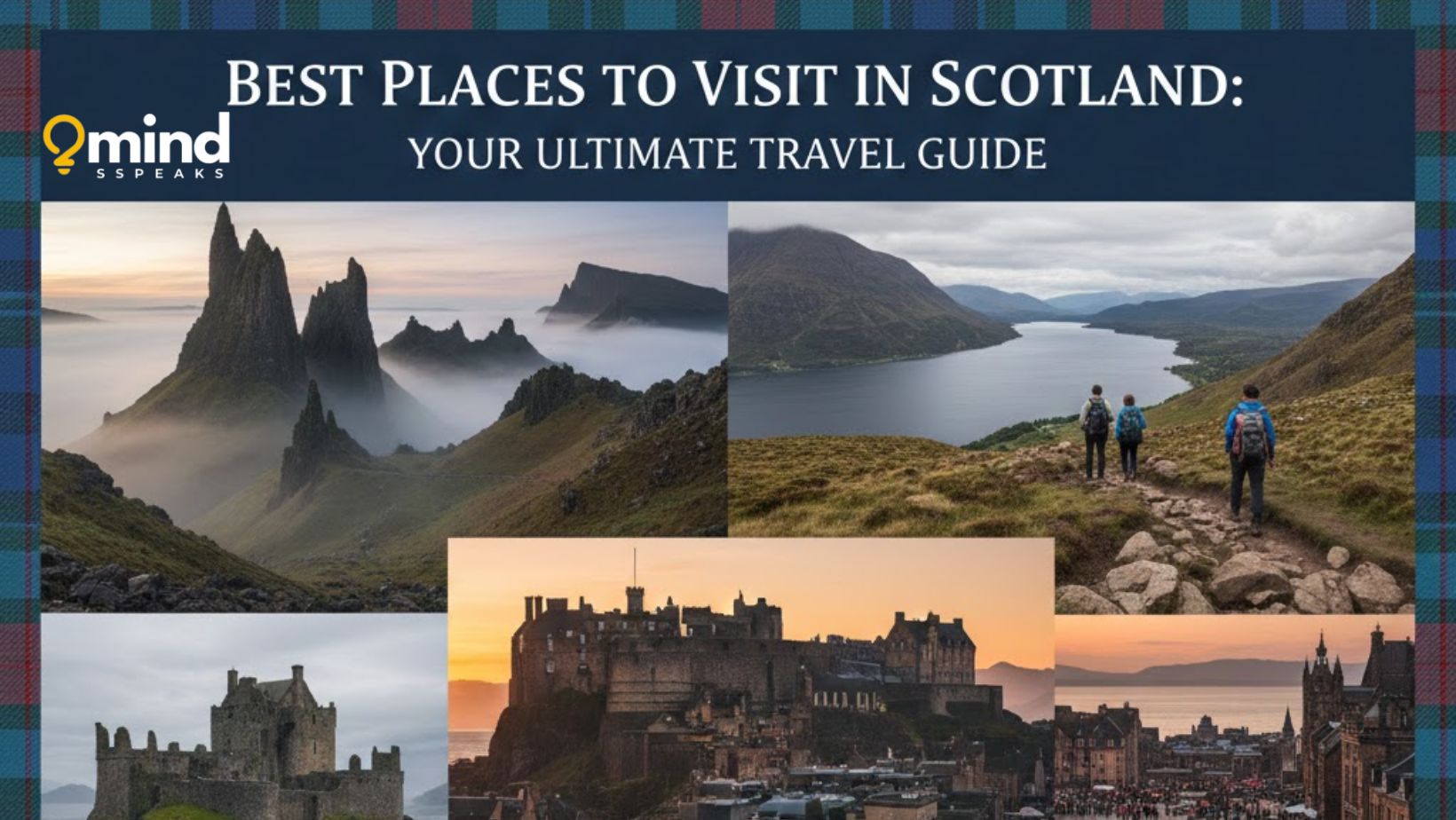
Scotland is a country of captivating landscapes, rich history, and vibrant culture. From majestic mountains and sparkling lochs to historic castles and lively festivals, it offers experiences for every type of traveler. Summer is the ideal time to explore, with longer daylight hours, warmer weather, and countless outdoor adventures.
Whether you prefer hiking in the Highlands, exploring the rugged Isle of Skye, cruising along Loch Ness, or enjoying city festivals in Edinburgh, Scotland has something for everyone. This guide will take you through the best places to visit in Scotland, when to go, practical travel tips, and ways to make your trip unforgettable. Prepare to discover Scotland’s natural beauty, cultural heritage, and adventure opportunities.
Navigating Washington, DC with Metro: A Complete Guide for Commuters and Visitors
When to Visit Scotland
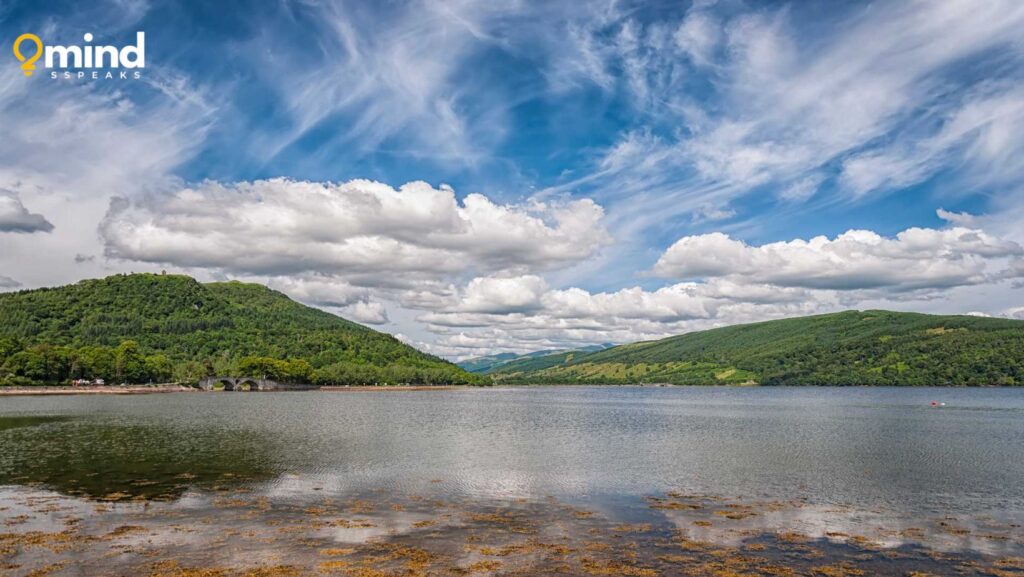
Scotland’s climate varies throughout the year, so choosing the right time to visit is essential. The peak summer months, June to August, offer the warmest temperatures and the longest daylight hours, making it perfect for sightseeing, hiking, and attending festivals. These months are also when most tourist attractions and outdoor activities are at their fullest.
If you prefer quieter trips, the shoulder season, April, May, and September, provides pleasant weather with fewer crowds. These months are ideal for photography, nature walks, and exploring popular destinations like the Isle of Skye or Fort William without battling heavy tourist traffic. Scotland’s summer weather is changeable, so packing layers, a waterproof jacket, and comfortable walking shoes is essential.
Extended daylight hours are one of Scotland’s unique charms during summer. The sun can rise as early as 3 AM and set around 11 PM near the solstice. This gives travelers extra time to explore, hike, and enjoy scenic landscapes, though using an eye mask for sleep may be necessary.
Where to Stay in Las Vegas: Best Hotels for Every Type of Traveler Guide updated 2026
Top Places to Visit in Scotland
Isle of Skye
The Isle of Skye is one of Scotland’s most iconic destinations, known for its dramatic landscapes and rugged natural beauty. Towering cliffs, lunar-like rock formations, and sweeping coastlines create an unforgettable setting for outdoor enthusiasts and photographers alike. Popular spots include Quiraing, the Old Man of Storr, and Fairy Pools, where waterfalls and crystal-clear waters attract visitors year-round.
Hiking is a must on Skye, with trails suitable for beginners and experienced trekkers. Wildlife enthusiasts can spot seabirds, red deer, and even otters along the coastline. Local villages offer a taste of Scottish culture, from traditional seafood dishes to artisan crafts. Visiting during the shoulder months ensures a more peaceful experience with fewer tourists.
Fort William and Ben Nevis
Fort William, often called the “Outdoor Capital of the UK,” sits at the foot of Ben Nevis, the tallest mountain in the British Isles. The area is perfect for those seeking adventure. Hiking, mountain biking, cycling, and kayaking are popular activities, allowing visitors to explore both mountains and lochs.
For serious climbers, summiting Ben Nevis is an unforgettable experience, offering panoramic views of the Highlands. Fort William itself is charming, with local shops, cafes, and access to surrounding villages. Summer provides stable weather for outdoor activities, but travelers should always be prepared for sudden showers. Guided hikes are recommended for beginners or those unfamiliar with mountainous terrain.
Where to Stay in Big Sur: Best Areas & Places to Stay for Every Budget update 2026
The Hermitage, Perthshire
For those seeking a quieter nature escape, The Hermitage in Perthshire offers lush forests, serene walking trails, and giant Douglas fir trees. This area was originally designed as a pleasure ground for the Dukes of Atholl in the 18th century. Today, it is a protected site maintained by the National Trust for Scotland.
Walking through The Hermitage provides a peaceful retreat, perfect for families, photographers, and nature lovers. The forest paths are well-marked, and visitors can enjoy picnics amidst towering trees and rushing streams. Even in summer, evenings can be cool, so bringing a light jacket or sweater is recommended.
Loch Ness and Urquhart Castle
No trip to Scotland is complete without visiting Loch Ness, famous worldwide for the legendary Loch Ness Monster. Beyond the folklore, the loch offers stunning scenery and tranquil walks along its shores. Visitors can take boat tours to admire the lake’s natural beauty or explore the ruins of Urquhart Castle, which offer a glimpse into medieval Scotland.
The surrounding area also has charming towns like Inverness, where you can enjoy local restaurants, shops, and cultural attractions. Loch Ness combines natural beauty with history, making it a must-visit destination for travelers seeking both adventure and learning opportunities.
33 BEST Things to Do in Philadelphia (2026 Guide!)
Stirling and Stirling Castle
Known as the “Gateway to the Highlands,” Stirling is steeped in history and culture. Stirling Castle dominates the skyline, offering insight into Scotland’s royal past. Nearby Doune Castle has gained fame as a filming location for movies and TV series, including Outlander.
Visitors can also climb the Wallace Monument, dedicated to the Scottish hero William Wallace, for panoramic views of the surrounding Highlands. Stirling’s location makes it easy to explore both Lowlands and Highlands, offering a blend of cultural, historical, and natural attractions.
Edinburgh – The Scottish Capital
Edinburgh is a vibrant city filled with history, culture, and events. Its iconic Edinburgh Castle sits atop Castle Rock, overlooking the city, while the Royal Mile provides an immersive experience of Scottish life, shops, and cuisine. Summer is festival season, with the Edinburgh Fringe, International Festival, and Royal Edinburgh Military Tattoo drawing performers and visitors from around the world.
City breaks in Edinburgh allow travelers to combine cultural exploration with nature by visiting nearby hills or taking day trips to surrounding areas. Booking tickets and accommodations early is essential during festival months.
Your Complete Guide to the Military Parade in Washington DC (June 14, 2025)
Scotland Summer Festivals and Events
Scotland is known for its lively summer festivals, which celebrate music, art, culture, and heritage. TradFest in Edinburgh (April–May) showcases folk music and performances, while the Spirit of Speyside Whisky Festival (May) offers tastings and distillery tours.
Other notable events include the Royal Highland Show (Edinburgh, June), featuring livestock exhibitions and local crafts, and the Edinburgh International Film Festival (June) for cinema enthusiasts. July brings the Hebridean Celtic Festival in the Isle of Lewis, celebrating traditional Celtic music, while August is packed with Edinburgh festivals, the Royal Edinburgh Military Tattoo, and World Pipe Band Championships in Glasgow. The Cowal Highland Gathering in Dunoon offers athletic competitions and cultural displays.
Attending these festivals provides travelers with unique experiences and an authentic taste of Scottish culture.
Ultimate Guide to Things to Do in DC This Weekend (Events, Shows & Hidden Gems)
Scotland Travel Tips
Visiting Scotland requires a bit of preparation to make the most of your trip. Consider traveling during shoulder months (April, May, September) to enjoy a quieter experience with better accommodation availability. Summer is peak season, so booking early is recommended, especially for tours in the Highlands or popular islands.
Travelers should prepare for midges, tiny biting insects common in rural areas and islands from mid-June to mid-August. Repellents like Avon Skin-So-Soft are effective, and planning activities outside peak midge hours (dawn and dusk) can help.
Maximizing Scotland’s long daylight hours allows for more sightseeing, hiking, and photography. Packing essentials include a waterproof jacket, layers, walking shoes, jumper, scarf, and hat for cooler evenings. Don’t forget sunscreen for sunny days, as Scotland’s weather can be surprisingly variable.
Things to Do in Stowe VT: Your Ultimate Weekend Adventure
Conclusion
Scotland is a destination that blends breathtaking landscapes, rich history, and vibrant culture. From hiking in Fort William to exploring the Isle of Skye, cruising along Loch Ness, or attending festivals in Edinburgh, there’s something for every traveler. Summer provides long days, pleasant weather, and endless outdoor activities, while shoulder months offer a quieter, more intimate experience. By planning wisely, packing appropriately, and exploring both well-known and hidden gems, visitors can fully immerse themselves in Scotland’s beauty. This diverse country ensures unforgettable memories, whether you’re chasing adventure, exploring history, or simply enjoying nature’s wonders. Scotland is truly a land that captivates every visitor.
FAQs About Visiting Scotland
What is the best time to visit Scotland?
Summer (June–August) offers warm weather and long days; shoulder months (April, May, September) are quieter and ideal for sightseeing.
Which Scottish destinations are must-visits for first-timers?
Isle of Skye, Edinburgh, Loch Ness, Stirling, and Fort William are top highlights for culture, history, and nature.
Do I need to prepare for insects while visiting Scotland?
Yes, midges are common in rural Highlands and islands from mid-June to mid-August. Repellents like Avon Skin-So-Soft are recommended.
Can I combine city tours with outdoor activities in Scotland?
Absolutely. Edinburgh and Glasgow offer festivals and cultural attractions, while the Highlands and islands provide hiking, kayaking, and scenic adventures.
What should I pack for a Scotland trip in summer?
Waterproof jacket, layers, warm jumper, walking shoes, t-shirts, shorts, scarf, hat, and sun protection for changeable weather.