
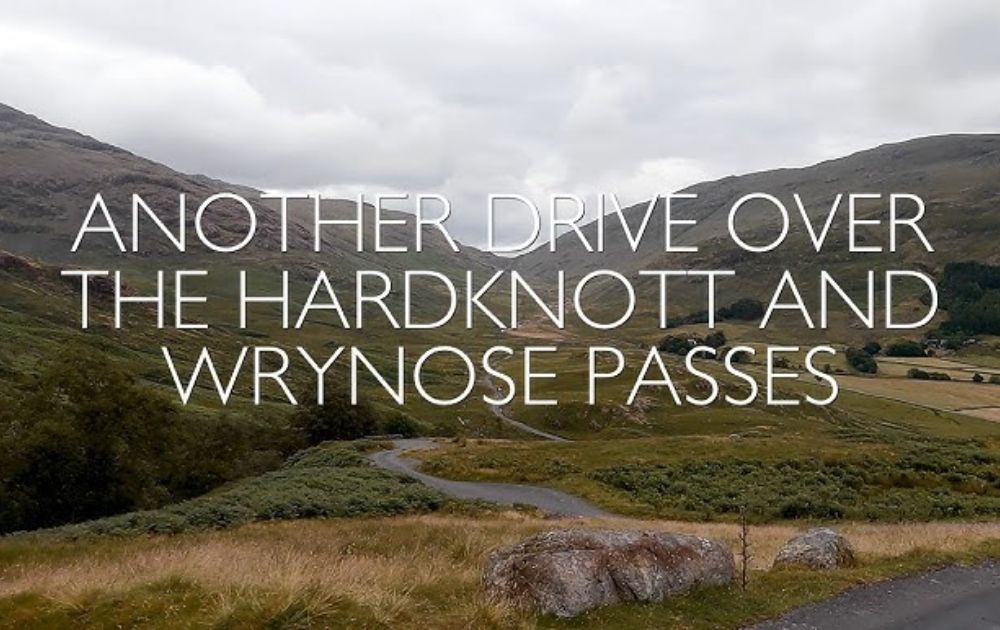
Driving a circular route over the Hardknott and Wrynose Passes in Cumbria is an adventure that combines stunning mountain scenery with a touch of thrill. These roads, famous for their steep gradients and sharp bends, offer some of the most dramatic views in the Lake District. Starting from villages such as Little Langdale or Broughton-in-Furness, travelers can explore waterfalls, historic sites, and peaceful valleys along the way. The route is perfect for those who enjoy adventure, photography, and nature, but it also requires careful driving. With proper preparation and a sense of curiosity, this circular drive provides a mix of excitement, history, and breathtaking landscapes that make it a memorable day out in Cumbria.

Broughton-in-Furness
Our journey over the Hardknott and Wrynose Passes begins in the charming market town of Broughton-in-Furness, a peaceful spot tucked away in Cumbria. Unlike the busier Lake District towns such as Ambleside or Keswick, Broughton offers a quiet and relaxed atmosphere, perfect for a short stroll before heading into the mountains.
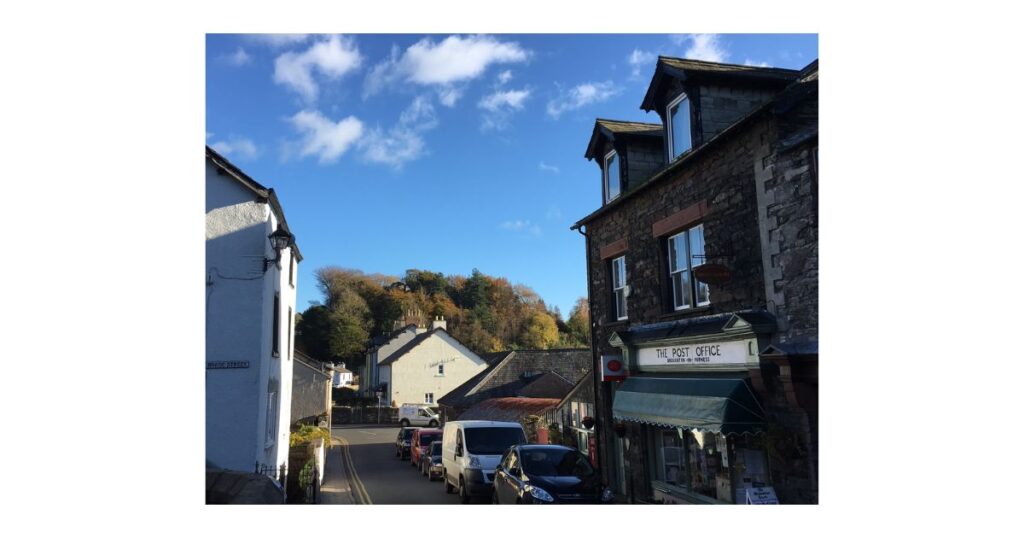
Despite its small size, the town has a tourist information centre to help plan your route, free parking, and a lovely local bakery that’s ideal for grabbing a quick snack. It’s also the hometown of bestselling author Richard Parsons, known for his CGP GCSE revision books. Spending some time here allows you to enjoy the calm village vibes before the adventure and winding roads of the passes begin.
Duddon Iron Furnace
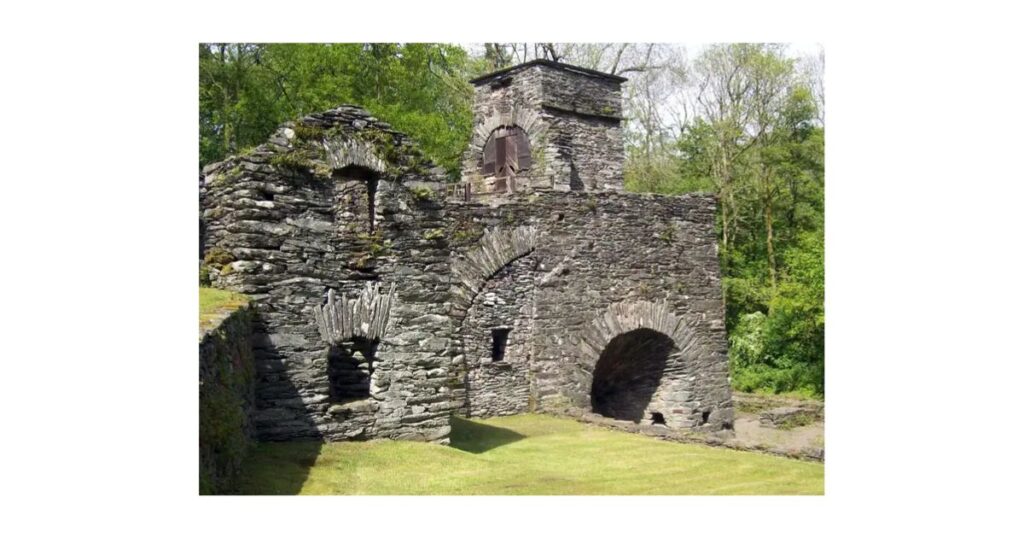
A short drive from Broughton-in-Furness takes you to the historic Duddon Iron Furnace, built in 1736. This charcoal-fired furnace was once used to produce pig iron, playing an important role in Cumbria’s industrial past. While the site may sometimes be closed for safety, it’s still possible to view the furnace from the bridleway running alongside it, giving visitors a glimpse into the area’s industrial heritage.
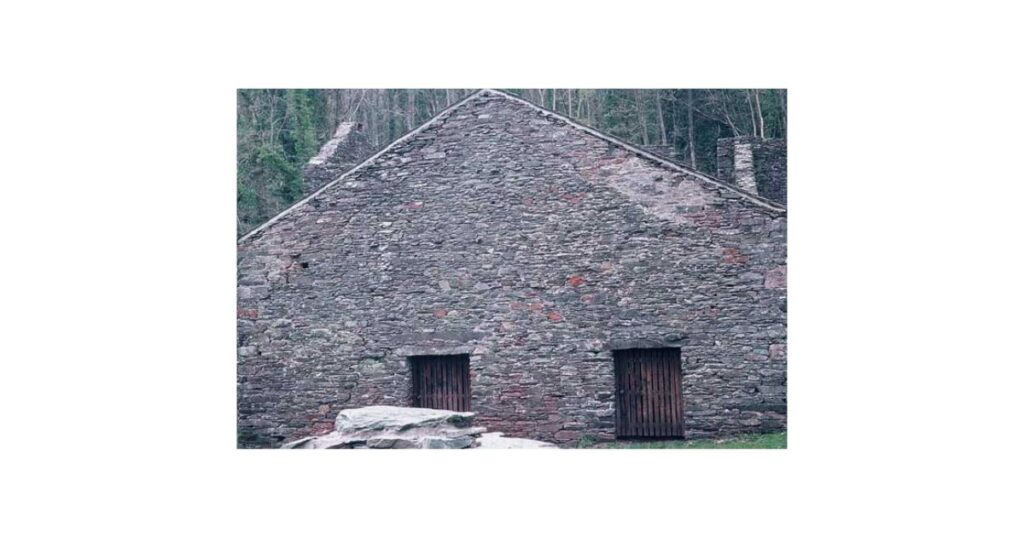
Even a brief stop here is worthwhile, as it offers a contrast to the natural beauty of the surrounding valleys and hills. You can imagine the hard work and skill involved in producing iron during the 18th century, adding a historical layer to your scenic drive over the passes.
Stanley Ghyll Force Waterfall
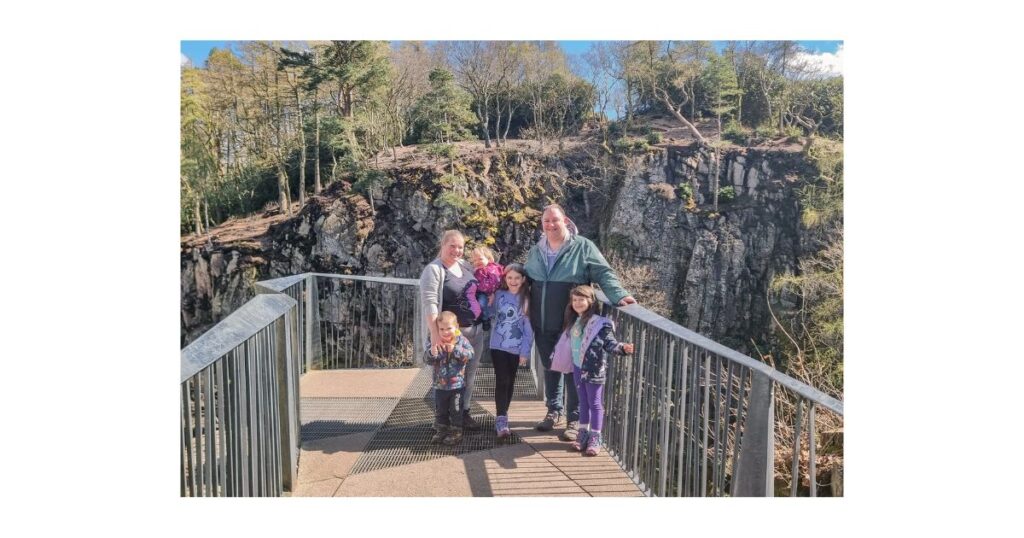
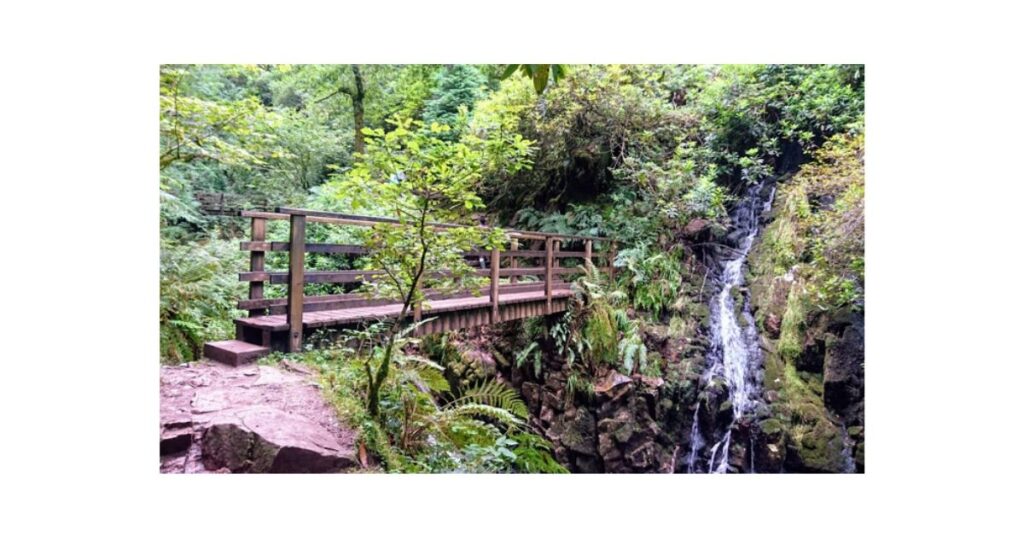
As you continue your drive through the Duddon Valley toward Eskdale, a must-stop is the Stanley Ghyll Force Waterfall. The round trip from the car park at Trough House Bridge takes about 45 minutes and follows a scenic path beside the River Esk. Along the way, you’ll cross a few small bridges and walk through lush woodland, where sunlight often sparkles on the ferns and mosses, making it a magical experience for nature lovers.
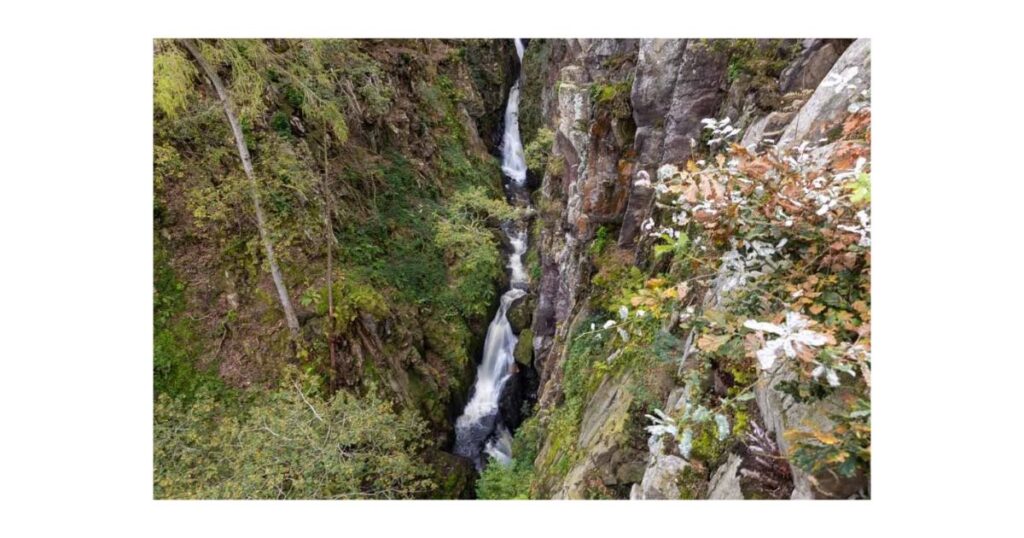
The final approach to the waterfall involves a short section with a slippery stone path and a steep drop, so take care, especially with children. Once you reach the viewpoint, you’re rewarded with a spectacular 60-foot waterfall cascading into a deep pool—one of the most impressive sights in the Lake District.
Hardknott Roman Fort
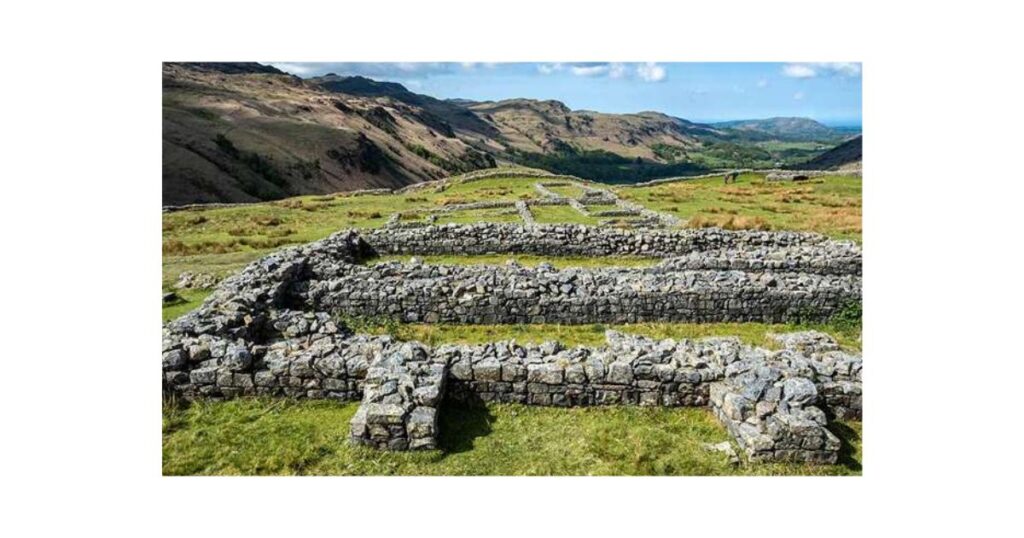
Continuing along the route, the Hardknott Roman Fort is a fascinating historical stop. Perched high on the hillside, the fort overlooks the Eskdale Valley and offers a glimpse into life for the 500-strong Roman cavalry who were stationed here to guard the passes. The location is exposed to the elements, making it easy to imagine how tough life must have been, especially for soldiers from the milder Dalmatian coast!
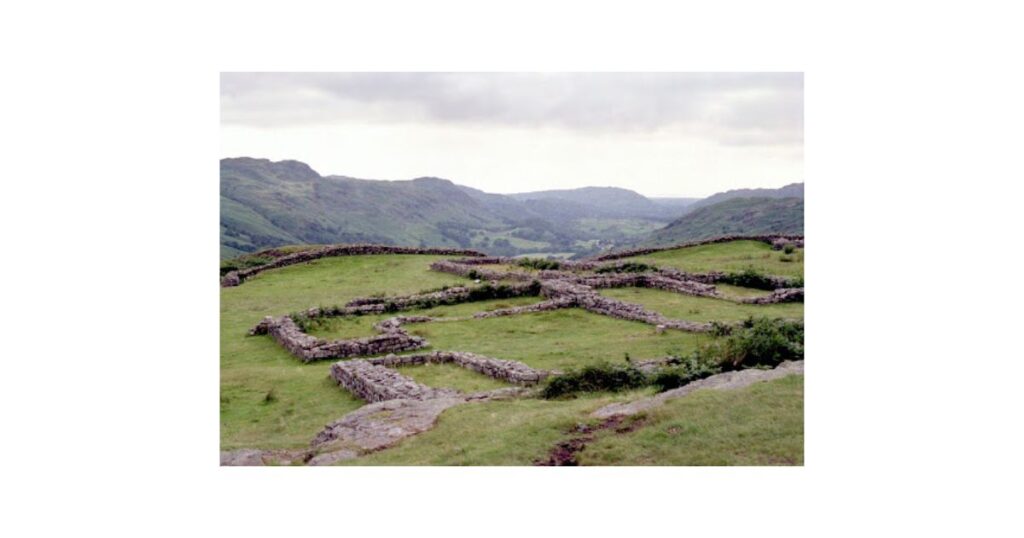
The fort’s low walls have been partially restored, and information boards help visitors identify the granaries, lookout towers, garrison headquarters, and even a bathhouse. A short walk from the small parking area gives you a full view of the site, but be prepared for boggy or slippery ground—good walking boots are essential.
Hardknott and Wrynose Passes
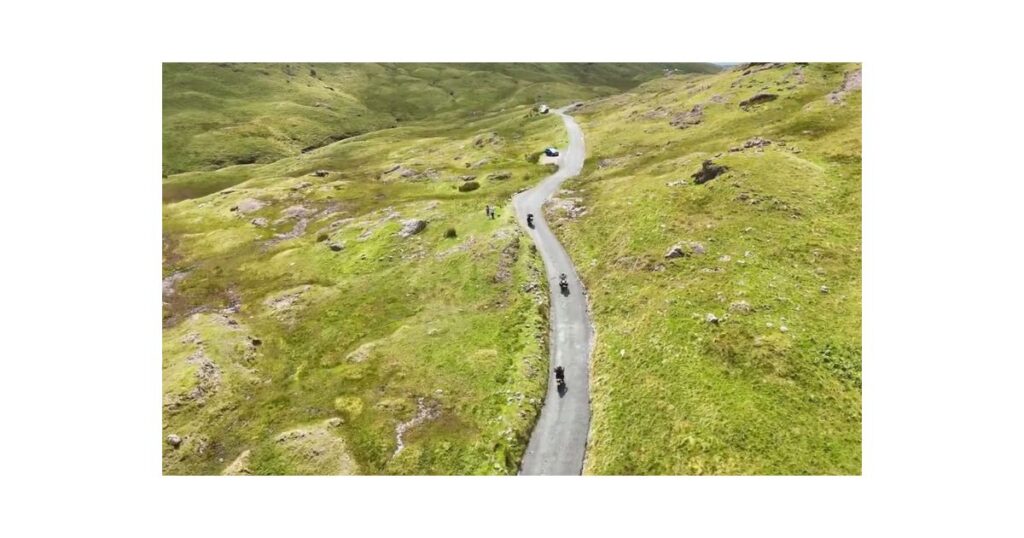
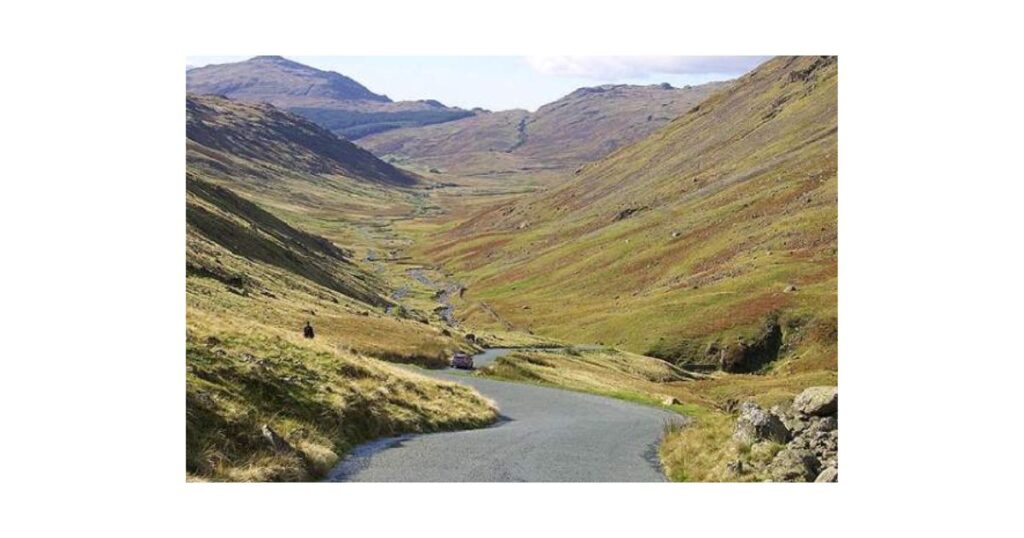
The drive over the Hardknott and Wrynose Passes is the highlight of this circular route. Famous for their steep gradients, sharp bends, and dramatic drops, these roads are both thrilling and scenic. Hardknott Pass is the steeper of the two, with tight hairpin bends that demand careful driving, while Wrynose Pass offers equally stunning views but with slightly gentler curves.
Although the passes have warning signs about gradients and exposed edges, they are safe to navigate with a good car and attentive driving. Along the route, you’ll encounter sheep, oncoming traffic, and breathtaking viewpoints, so it’s important to stay focused and give way where necessary. With preparation, these passes offer a memorable adventure through some of the Lake District’s most rugged landscapes.
Conclusion
Driving the Hardknott and Wrynose Passes in Cumbria is an unforgettable adventure that combines thrilling mountain roads, historic sites, and stunning natural beauty. From the quiet charm of Broughton-in-Furness to the impressive Stanley Ghyll Force waterfall, the historic Hardknott Roman Fort, and the serene Blea Tarn, this circular route offers a perfect mix of history, nature, and scenic drives. While the steep gradients, sharp bends, and exposed drops require careful driving and attention, the rewards are spectacular views and memorable experiences across the Lake District. With preparation, a suitable car, and a sense of adventure, this route is perfect for anyone looking for a scenic and historic journey through Cumbria’s mountains.
FAQs
1. How difficult are Hardknott and Wrynose Passes to drive?
Both passes have steep gradients and sharp bends. They require careful driving, especially in adverse weather. A small, agile car is recommended.
2. Can beginners drive these passes safely?
Yes, with caution, attention, and a suitable car. Avoid distractions and be mindful of oncoming traffic and livestock.
3. What are the must-see stops along this route?
Key stops include Broughton-in-Furness, Duddon Iron Furnace, Stanley Ghyll Force waterfall, Hardknott Roman Fort, and Blea Tarn.
4. Is it suitable for families?
Yes, families can enjoy the route, but supervision is needed at exposed viewpoints, waterfalls, and steep paths.
5. How long does the circular drive take?
A full loop with stops can take a full day (around 6–8 hours), depending on the number of sightseeing breaks.
6. What should I bring for this drive?
Bring walking boots, snacks, water, a camera, and warm clothing. Check your car and fuel before starting the drive.
7. When is the best time to do this drive?
Late spring to early autumn is ideal. Avoid winter or heavy rain for safety and clearer views.
Read more:
Your Ultimate Kauai Travel Guide: Explore Hawaii’s Most Magical Island
What’s EasyJet Bag ‘Drop At Gatwick like?
Round Trip from London To Venice In One Day: Here’s What I Did