
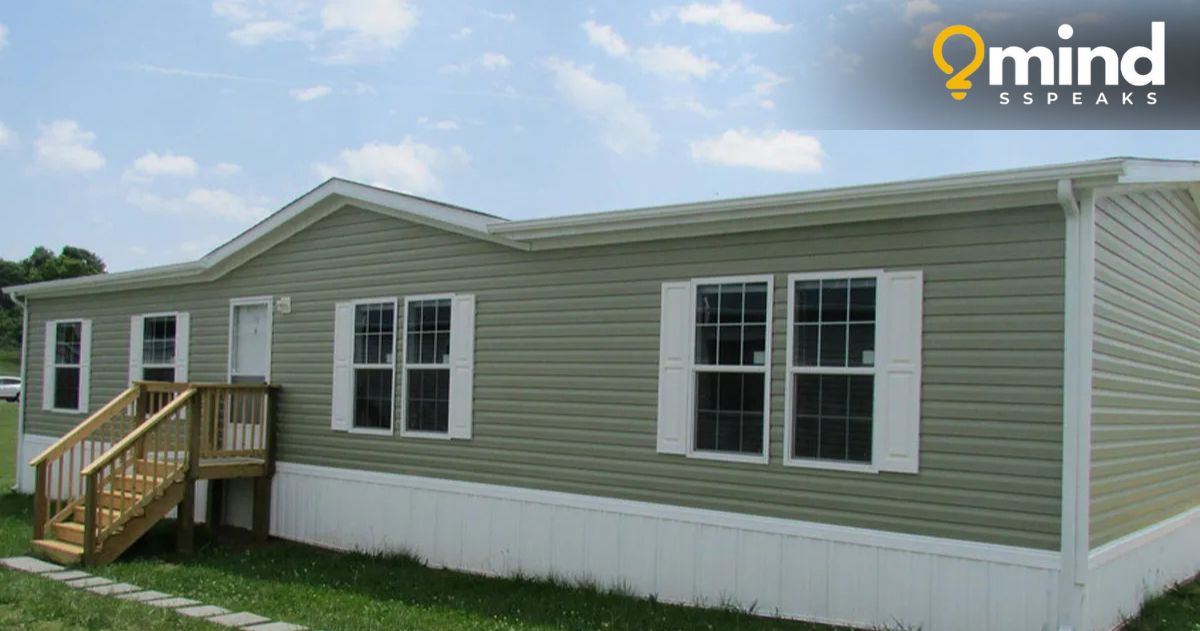
Choosing the right size for Mobile Home Replacement Windows is essential when replacing mobile home windows. Measure the window openings and select vinyl or other energy-efficient materials. Install with duct tape and sealant to ensure a tight fit and reduce drafts.
DIY is possible, but professional installation is better. Expert Mobile Home Replacement Windows installers install proper sealing against thin walls. This prevents leaks and drafts. Good installation increases efficiency and increases the overall value of the mobile home.
1. Why Replacing Your Mobile Home Windows Matters
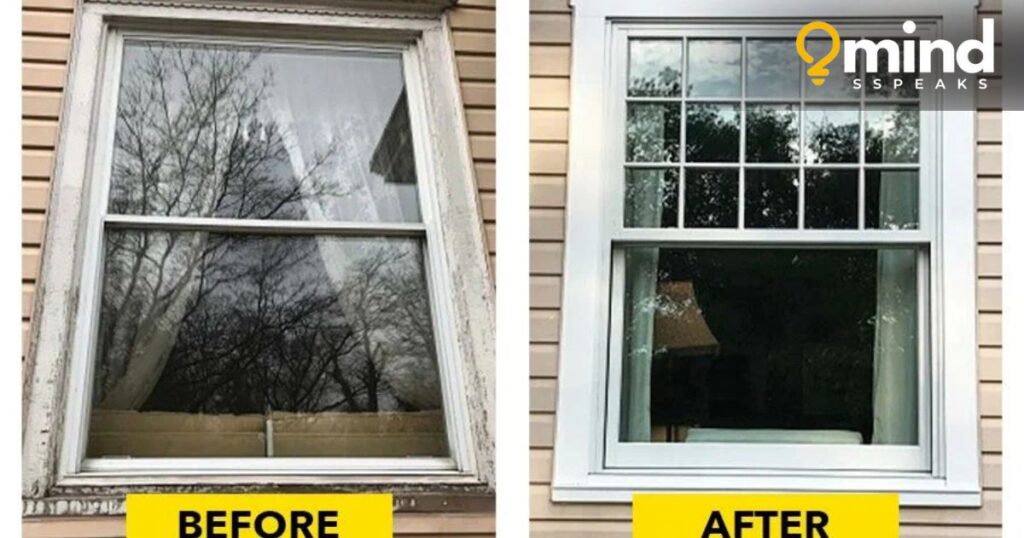
Energy Savings
Installing energy-efficient Mobile Home Replacement Windows can reduce energy bills by 12% to 30%. They improve indoor comfort. They are the most effective energy-saving upgrade for manufactured homes.
Improved Comfort
Installing new Mobile Home Replacement Windows improves insulation, eliminates drafts and reduces outside noise. Double-pane glass, vinyl frames and low-E coating maintain interior temperatures and reduce energy bills.
Aesthetic Appeal
Install Mobile Home Replacement Windows to enhance the aesthetic appeal of a mobile home. Update the window style, choose the right frame material and color and use appropriate window treatments to make the home look beautiful and modern.
Increased Home Value
Replace mobile home windows for the price of a mobile home. ROI may vary, but improves energy efficiency, aesthetics and buyer perception.
Safety and Security
Install Mobile Home Replacement Windows to protect your mobile home. Meet HUD egress standards. Implement additional security measures to reduce the risk of fire and break-ins and keep your home safe.
2. Types of Mobile Home Windows
Single-Hung Windows
Single-hung windows have only the bottom sash moving. As Mobile Home Replacement Windows, they offer a classic look, good energy efficiency and low cost. Simple design and effective insulation make them popular in new construction and renovation projects.
Double-Hung Windows
Double-hung windows have sashes that move up and down. They are a classic, popular choice as Mobile Home Replacement Windows. They provide easy cleaning, flexible ventilation, longevity and natural air circulation.
Sliding Windows
Sliding windows, or gliding windows, open horizontally. As Mobile Home Replacement Windows, they provide ease of use, modern aesthetics and wide unobstructed views. They are ideal for areas with limited exterior space and large openings.
Awning Windows
Awning windows swing upward and provide a protective canopy. As Mobile Home Replacement Windows, they provide easy operation, good air circulation and strong sealing in the bathroom, kitchen, or basement. Modern designs and weatherproof options are also available.
Jalousie Windows
Jalousie windows have horizontal slats of glass or metal that open and close with a crank. As Mobile Home Replacement Windows, they provide excellent ventilation, are popular in older and mid-century modern homes and are energy efficient in warm climates.
Casement Windows
A casement window is a side-hinged window that swings outward. As Mobile Home Replacement Windows, they offer strong seals, excellent ventilation, unobstructed views and high energy efficiency. They are popular in modern and traditional homes, although they tend to be more expensive than regular windows.
Picture Windows
Picture windows for mobile homes are large and fixed, allowing for expansive views and light. As Mobile Home Replacement Windows, they are energy efficient with low-e glass and durable vinyl or aluminum frames. Proper sizing and sealing increase comfort and reduce bills.
Bay Windows
Bay windows are great for mobile homes, especially double-wide models. As Mobile Home Replacement Windows, they enhance aesthetics, increase light and make rooms feel open. Purchase specific products from manufacturers and professional installation is recommended.
3. Popular Styles of Mobile Home Windows
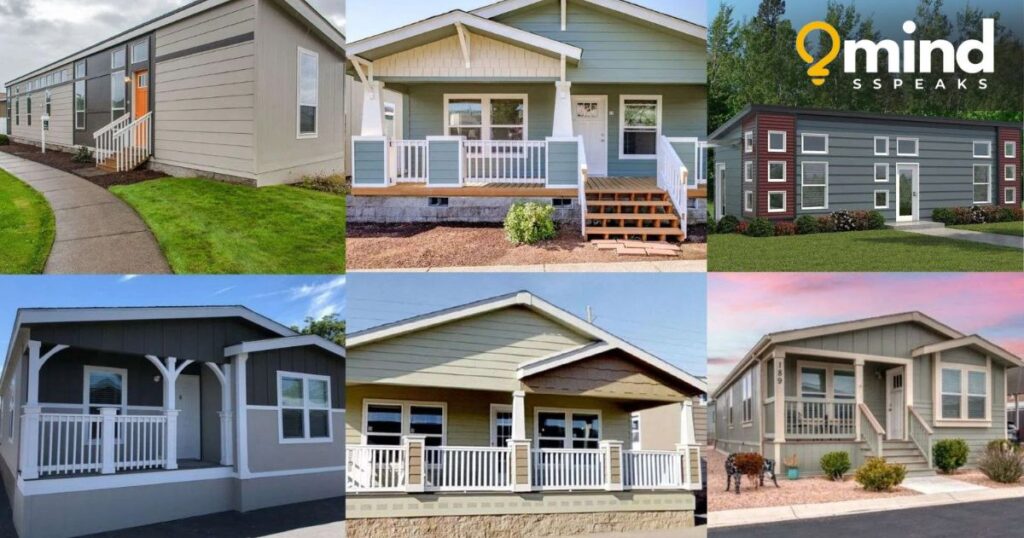
Double-Hung Style
Double-hung mobile home windows provide versatile ventilation and easy cleaning with top-and-bottom sliding sashes. As Mobile Home Replacement Windows, they are available in aluminum or vinyl frames and offer double-pane, low-e glass and screen options.
Casement Style
Casement windows for mobile homes swing outward and provide excellent ventilation. Mobile Home Replacement Windows are available in aluminum or vinyl frames with tempered glass. They provide wide views, more light, custom sizes and colors, and security locking.
Awning Style
Awning-style windows are installed at the top and open outward from the bottom. Mobile Home Replacement Windows provide excellent ventilation and weather resistance. The open sash keeps out rain. Available in vinyl and aluminum, with products from manufacturers such as Tafco and JELD-WEN.
Slider Style
Slider-style windows are popular and economical for mobile homes. Mobile Home Replacement Windows are available in vinyl and aluminum frames. They slide horizontally or vertically and are manufactured with a “J” trim and flush mounting flange for mobile home installation.
Mid-Century Modern Windows (Optional / Design Focus)
Mid-century modern (MCM) windows offer a clean and functional design, ideal for large glass surfaces and natural light. As Mobile Home Replacement Windows, they are available in casement, awning and hopper styles, providing simple geometric shapes and integration with the environment.
4. Materials for Mobile Home Windows
Vinyl Windows
Durable, low-maintenance PVC windows are popular with homeowners. Mobile Home Replacement Windows provide energy efficiency, good insulation and resistance to rot. They can soften in hot weather and are not available in the large sizes of other materials, but they have lasting value and appeal.
Aluminum Windows
Aluminum windows offer strong, durable and low-maintenance frames. Mobile Home Replacement Windows are known for their thin profiles, maximizing glass and views, providing modern aesthetics and weather resistance. Thermal breaks are essential for energy efficiency.
Wood-Framed Windows
Custom bi-fold wood windows offer classic beauty and superior insulation. Mobile Home Replacement Windows are available in wood, exterior aluminum, or fiberglass. They are great for design flexibility, sound reduction, home value and energy efficiency, but require more maintenance.
Fiberglass Windows
Fiberglass windows are made from glass fibers and resins and provide durability, energy efficiency and low maintenance. Mobile Home Replacement Windows offer thinner frames and more glass. Ideal for resisting warping, rot and extreme temperatures. Priced higher than vinyl, color and style optional.
Choosing the Right Frame Material
Vinyl for mobile homes offers low cost, low maintenance and good energy efficiency. Mobile Home Replacement Windows Vinyl is ideal for general use. Aluminum is durable but less insulating and fiberglass is strong but more expensive. The choice depends on budget, climate, and maintenance.
5. Measuring & Sizing for Replacement Windows
Standard Mobile Home Window Sizes
Standard mobile home windows often come in sizes of 30×60, 36×60, or 36×54 inches. For Mobile Home Replacement Windows, always measure the width and height of the existing window. Note the smallest measurement because mobile homes often have non-standard sizes.
Common Standard Sizes (Width x Height):
- 30″ x 60″
- 36″ x 60″
- 36″ x 54″
5.2 Tools Needed for Measuring
- Basic Length: Tape Measure, Ruler
- Precision: Caliper, Micrometer
- Angle: Protractor, Square
- Level/Straightness: Spirit Level
- Recording: Pencil and Paper
- Special Tools Depending on the Job:
- DIY: Tape Measures, Ruler
- For High Accuracy: Vernier Calipers
- Additional Measurements: Scale for Mass, Clock for Time, Thermometer for Temperature
5.3 Step-by-Step Measuring Guide
- Clear the area around your window.
- Have the right tools ready: tape, ruler, calipers.
- Measure the width at the top, middle and bottom.
- Measure the height at the left, middle and right.
- Note the smallest and largest measurements.
- Measure the exact full points.
- Write the measurements as length × width × depth.
5.4 Tips for Accurate Measurements
- Using elastic tape
- Place the tape on a surface and stick it against your body, but do not pull it tight.
- Maintain a straight, comfortable position.
- Wear minimal clothing (or just underwear).
- Use a mirror or assistant for accuracy
- Do everything twice
- Record it immediately
- Keep the tape on the floor and avoid touching it.
6. Installation: DIY vs Professional
DIY Installation: Pros and Cons
DIY log home replacement windows are safe and secure, but there are some mistakes, safety precautions, and poor quality. The system provides professional installations, quality and warranties, which are better for the system.
When to Hire a Professional
If you notice drafts, leaks, warped frames, or increased energy bills, hire a professional for Mobile Home Replacement Windows. Experts provide accurate measurements, safe installation, waterproofing, and warranties, preventing costly damage and DIY mistakes.
Framing and Installation Considerations
In framing for Mobile Home Replacement Windows, it is important that the window opening is square, level and correct. Use specific mobile windows, apply sealant and tape around the flanges, check structural support, and make marks in the trim to ensure the installation is secure and correct.
7. Replacement Methods: Full-Frame vs Insert/Retrofit
Full-Frame Replacement
In framing for Mobile Home Replacement Windows, it is important that the window opening is square, level and correct. Use specific mobile windows, apply sealant and tape around the flanges, check structural support and make marks in the trim to ensure the installation is secure and correct.
Insert (Retrofit) Replacement
Mobile home replacement windows involve removing the old unit, cleaning the window and then fitting a new energy-efficient insert window into the frame. Secure it and weatherstripping double pane or composite strength energy efficiency.
8. Energy Efficiency & Upgrades
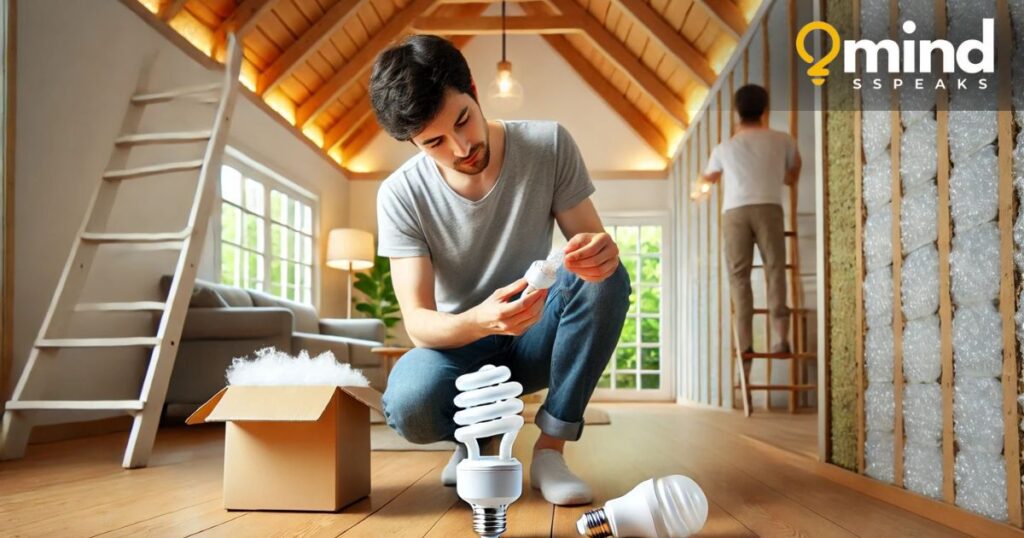
Benefits of Energy-Efficient Windows
Mobile Home Replacement Windows save energy, reduce utility bills, block drafts and extreme temperatures. They increase comfort and interior UV protection, reduce outside noise and increase resale value. Double panes, gas fills, and Low-E coatings provide superior insulation.
Energy Ratings Explained
To read the energy efficiency labels for Mobile Home Replacement Windows, look for NFRC certified ratings. U-Factor indicates better insulation, SHGC measures solar heat gain, VT light, air leakage tightness and condensation control. ENERGY STAR certified, these windows provide energy efficiency and improved thermal management.
Choosing the Right Energy-Efficient Upgrade
Choose the right energy-efficient windows for your Mobile Home Replacement Windows. Look for vinyl or fiberglass frames, double or triple pane glass, Low-E coating and gas fills. Check for ENERGY STAR certification. Understand U-Factor and SHGC. Ensure proper performance with professional installation.
9. Cost of Replacement Windows
Typical Cost Breakdown
A typical mobile home replacement window costs $150-$850 per window. Cheapest ($10-$400), most expensive ($300-$850+). Dual panes save energy. Labor $100-$400 and shipping about $40. Size, type and trim affect price.
Factors Affecting Price (Material, Size, Labor, Energy Efficiency)
Mobile Home Replacement Windows prices depend on material, size, energy efficiency and labor. Vinyl is the cheapest, wood/fiberglass is the most expensive. Double/triple panes, gas fills, Low-E coatings increase cost but save energy. DIY is cheap, professional installation is safe. High features, lower bills, vinyl is great for a budget.
10. Common Problems & Troubleshooting
Drafts and Leaks
Mobile Home Replacement Windows need to be replaced when drafts and leaks occur due to age and weak seals. Temporary solutions include weather strips, caulking, window film or draft snakes. For a permanent solution, replace old windows. Test for leaks with a flame or hand first.
Condensation Issues
High humidity is common on Mobile Home Replacement Windows, especially in single-pane or poorly insulated windows. Vent fans, dehumidifiers, or clothes dryers can help reduce humidity. Use window film or double glazing to improve performance, to prevent damage and mold.
Difficulty Opening or Closing
Mobile Home Replacement Windows are prone to difficulty opening. This can be caused by dirt in the tracks, dried lubricant, or frame and balance issues. Use clean tracks and a silicone-based lubricant. If unsuccessful, adjust or replace the faulty frame, hardware, or balance.
Signs Your Windows Are No Longer Efficient
Signs of failing Mobile Home Replacement Windows include drafts, condensation between the panes, difficulty opening/closing, cracks or mold, high energy bills, outside noise, seal failure and poor insulation. All of these affect comfort and energy efficiency.
11. Maintenance and Longevity
Routine Maintenance Tips
Routine maintenance of Mobile Home Replacement Windows includes: cleaning glass, tracks, and frames, lubricating moving parts with silicone spray, preventing drafts, checking/replacing weatherstripping, securing screens, and proper ventilation. This extends the life of the windows and keeps the home comfortable.
Lifespan Expectations by Material
The lifespan of Mobile Home Replacement Windows depends on the material: vinyl 20-40 years, wood 30-50+ years, fiberglass 30-50+ years, and aluminum 20-40 years. Quality, proper installation and climate affect durability. With superior materials and proper maintenance, life can be significantly extended.
Repair vs. Replacement Considerations
For Mobile Home Replacement Windows, repair small problems like locks or minor cracks. But replace drafty, fogged, warped or old single-pane windows for long-lasting comfort and energy savings. Affordable vinyl units are the best cost-performance solution for mobile homes.
12. Key Takeaways
- Unique Features of Mobile Home Windows
- Different Types and Models
- Replacement and Repair Considerations
- Energy Saving and Efficiency Factors
- Material, Frame, and Cost Impacts
Frequently Asked Questions
When should I consider replacing my mobile home windows?
Look for signs like drafts, leaking air, foggy glass, difficulty opening or closing, and higher energy bills. These indicate the need for new Mobile Home Replacement Windows.
What types of windows work best for mobile homes?
Popular options include double‑hung, slider, casement, awning, and picture windows, but be sure they’re designed for mobile home installation with proper mounting flanges.
Can I install Mobile Home Replacement Windows myself?
Yes, DIY is possible, but mobile homes require precise measurements and specific framing; many recommend professional installers for best results.
Will new replacement windows lower energy costs?
Absolutely — energy‑efficient windows can improve insulation, reduce drafts and outside noise, and help lower heating and cooling bills.
How long does it take to replace windows in a mobile home?
A professional team can often complete a one‑day installation from measurement to finish, minimizing disruption.
ALSO READ: Where to Stay in Big Sur: Best Areas & Places to Stay for Every Budget