
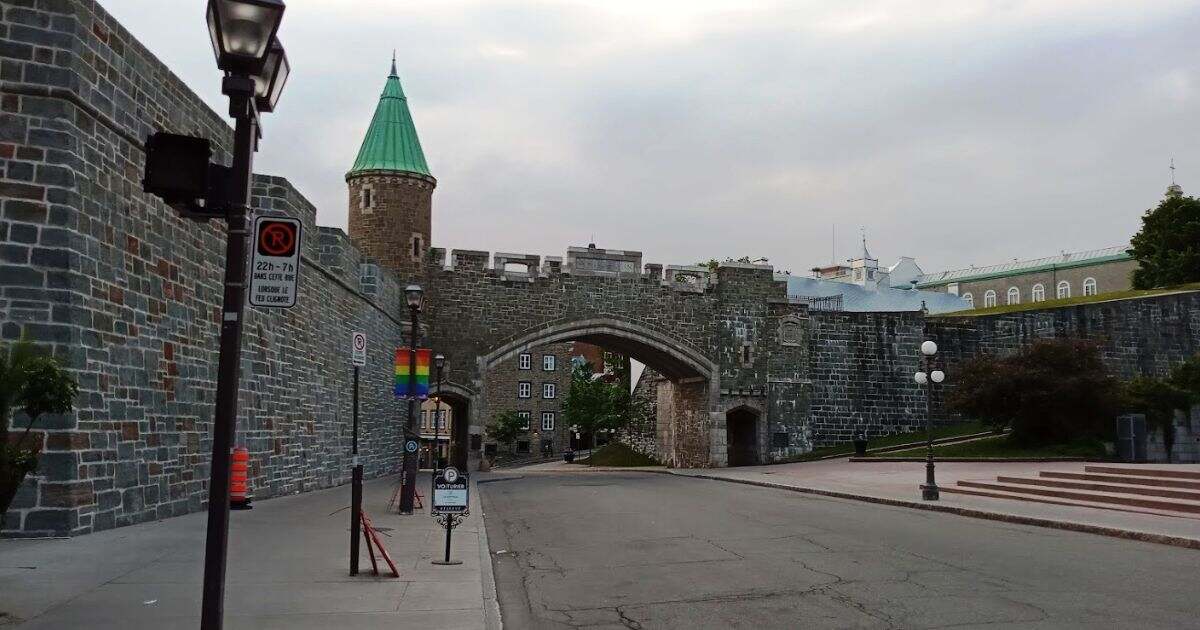
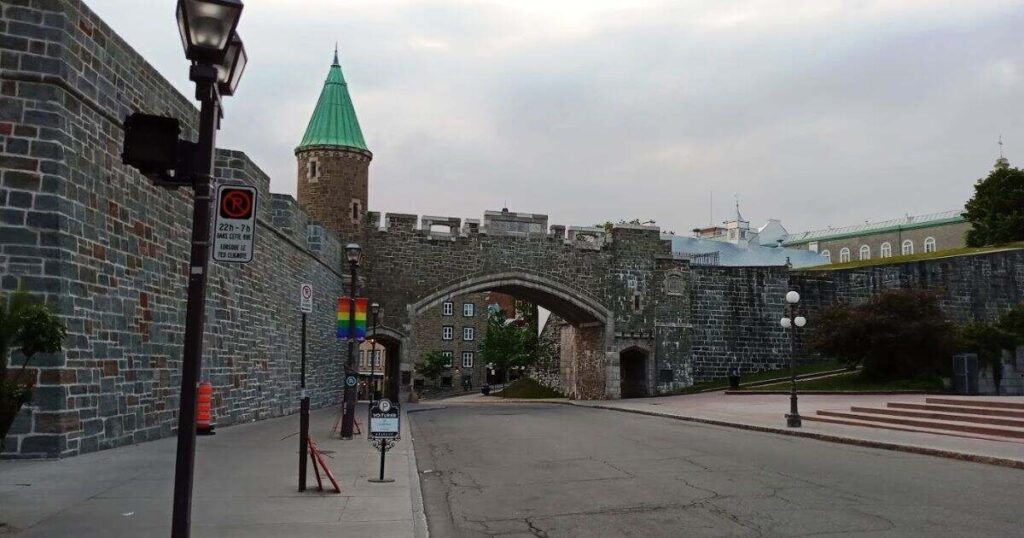
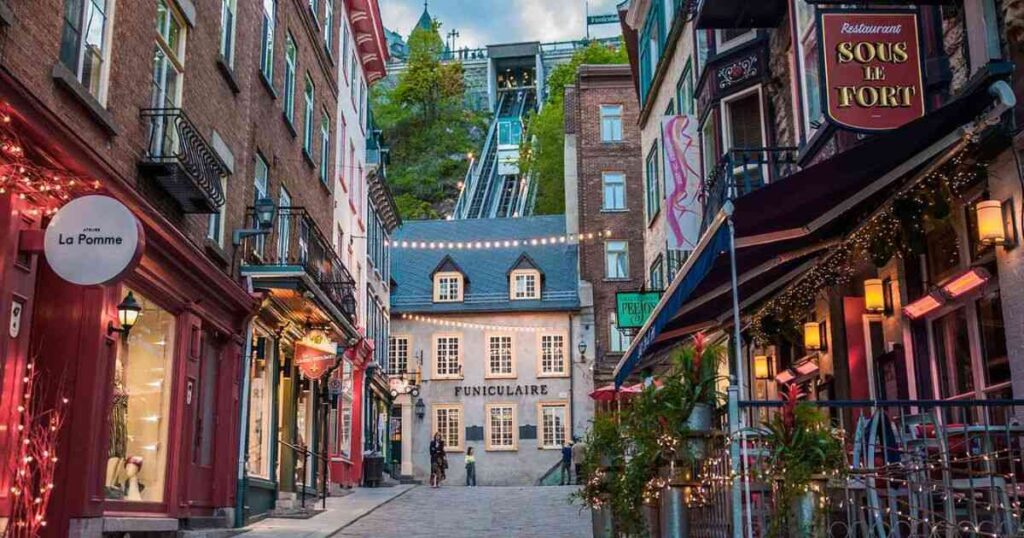
Quebec City is one of the most unique cities in North America because it is the only city on the continent, outside of Mexico, that is surrounded by historic walls. Founded in 1608 by Samuel de Champlain, Quebec quickly grew into a major fortress, trading post, and center for exploration. Its distinctive Upper Town and Lower Town, connected by steep streets and a funicular, offer a fascinating glimpse into the city’s past.
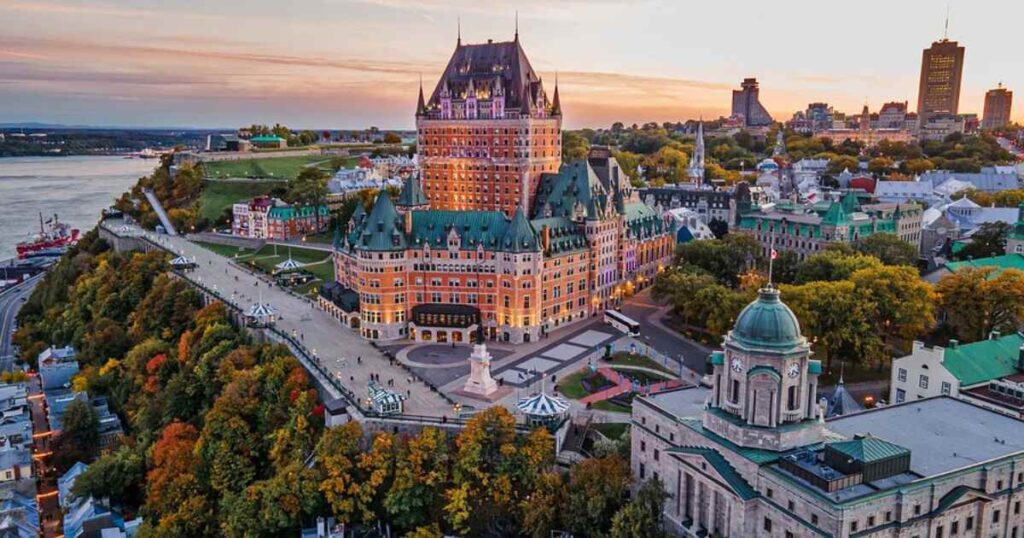
Walking through Old Quebec (Vieux-Québec) feels like stepping back in time. The cobblestone streets, centuries-old stone buildings, and historic landmarks give the city a European charm rarely seen in North America. From the majestic Fairmont Le Château Frontenac towering over the Saint Lawrence River to the quaint streets of Petit-Champlain, the city blends history, culture, and scenic beauty.
Moreover, Quebec City is not just about old buildings. Its vibrant cafes, artisan shops, museums, and street performances bring the city to life. Visitors can explore fortifications like The Citadel, enjoy panoramic views from Dufferin Terrace, or discover the rich stories behind the city’s battles, governors, and colonial history.
In this guide, we will explore the historic sights, cultural experiences, and must-see attractions of Quebec City, showing why it is a destination that perfectly combines history, charm, and modern-day enjoyment.
Sorong West Papua Indonesia: Gateway to the Coral Triangle
Old Quebec Sights
Old Quebec (Vieux-Québec) is the historic heart of Quebec City and a must-visit for anyone exploring the area. The district is divided into two main sections: Upper Town (Haute-Ville), perched on a cliff overlooking the Saint Lawrence River, and Lower Town (Basse-Ville), nestled along the riverfront. The two are connected by the steep Breakneck Steps or a more leisurely funicular ride, making it easy to explore both areas.
Upper Town (Haute-Ville)
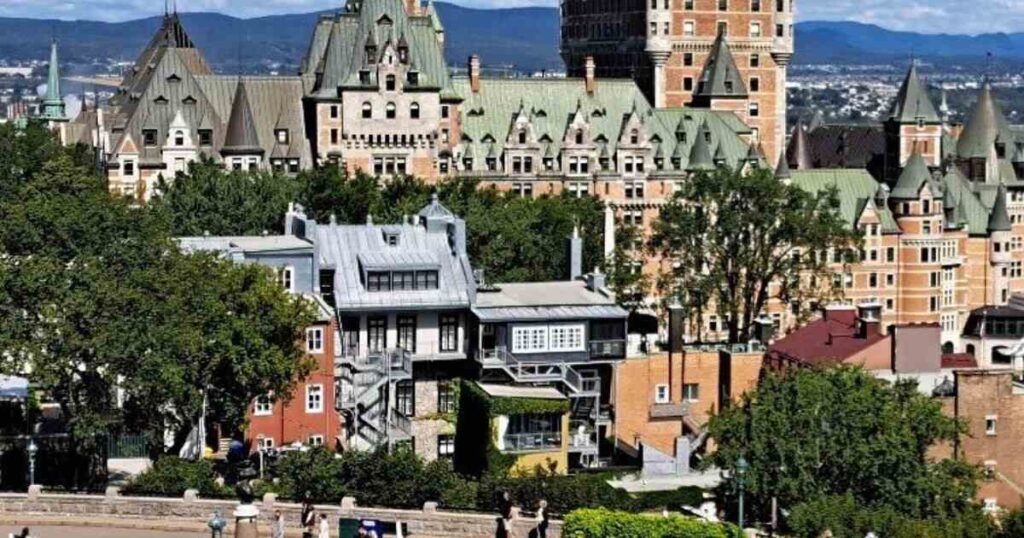
Upper Town was traditionally home to the city’s elite and contains many of Quebec City’s most iconic landmarks. Fairmont Le Château Frontenac, built in 1892, dominates the skyline with its castle-like turrets and copper roofs. Nearby, Dufferin Terrace offers sweeping views of Lower Town and the river, a popular spot for street performances and, in winter, an 800-foot toboggan slide. Place d’Armes, a charming park lined with cafes and art stalls, is another highlight, showcasing local artisans and historic architecture.
22 Amazing Local Things to Do in Georgetown DC
Lower Town (Basse-Ville)
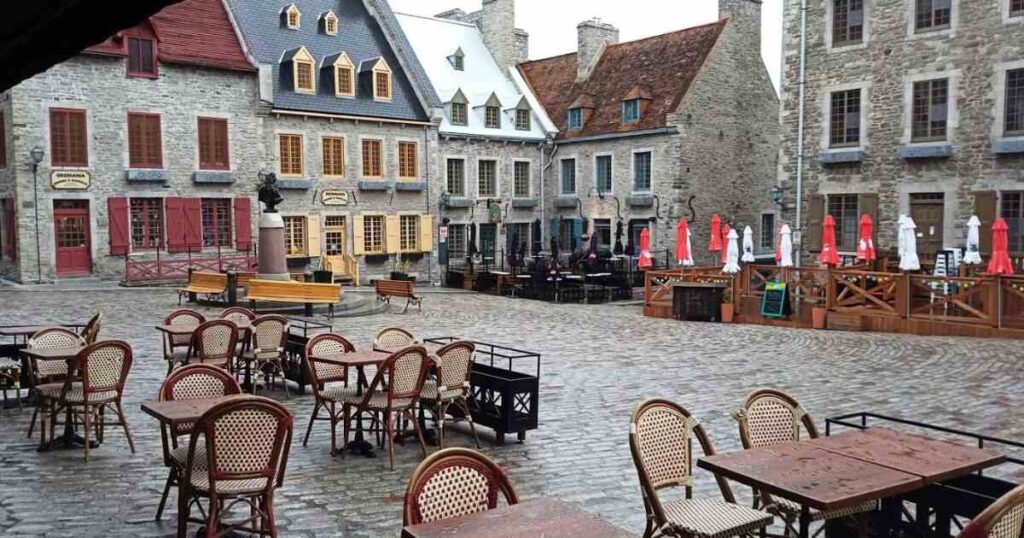
Lower Town was the city’s commercial center, with warehouses, shops, and trading posts. Place-Royale marks the site of Samuel de Champlain’s original 1608 settlement and is surrounded by beautiful 17th- and 18th-century stone buildings. Nearby, Petit-Champlain, often called the oldest commercial street in North America, has been beautifully restored with narrow cobblestone streets, artisan shops, and cozy cafes. Visitors can sample local treats, including maple syrup sweets, or enjoy a warm beverage at one of the street’s quaint cafes.
Key Attractions and Streets
- Rue de Tresor – An open-air gallery where local artists sell their work.
- Côte de la Fabrique – A charming street lined with shops and restaurants connecting Lower and Upper Town.
- Passages Insolates – A public art installation featuring unique, temporary artworks throughout Lower Town.
Old Quebec is a blend of history, culture, and scenic beauty, offering a walking experience that immerses visitors in centuries of Quebec City life. The combination of historic buildings, cobblestone streets, and vibrant local culture makes it one of the most picturesque districts in North America.
🏨 Fairmont Le Château Frontenac (Upper Quebec)
The Fairmont Le Château Frontenac is Quebec City’s most iconic landmark and one of the most photographed hotels in the world. Built in 1892 by Canada’s railway companies, this grand château-style hotel was designed to attract tourists traveling by train and has since become a symbol of the city. Its towering copper-roofed turrets dominate the Upper Town skyline and can be seen from the Saint Lawrence River and many points across the city.
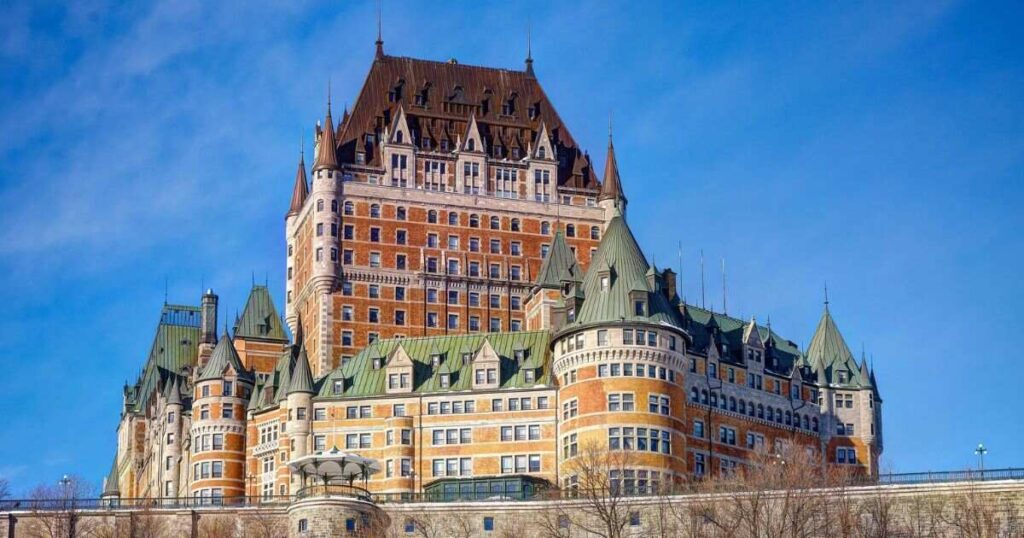
Inside, the hotel combines historic charm with modern luxury. Guests can enjoy elegantly furnished rooms, fine dining restaurants, and luxurious amenities. The lobby, decorated with rich wood and vintage details, creates an atmosphere of timeless elegance.
The hotel’s location is perfect for exploring Upper Town. From here, you can easily access Dufferin Terrace for stunning views over Lower Town, the Saint Lawrence River, and nearby historic landmarks. Whether you stay overnight or simply walk around the property, the Fairmont Le Château Frontenac offers a glimpse into Quebec City’s historic grandeur and is an essential stop for visitors.
Portugal Road Trip: Algarve to Lisbon
🌳 Dufferin Terrace (Upper Quebec)
Dufferin Terrace is a wide boardwalk located directly behind the Fairmont Le Château Frontenac in Upper Quebec. Built in 1879, it stretches from the hotel’s beautiful flower gardens down to the base of The Citadel, offering some of the best panoramic views of Lower Town, the Saint Lawrence River, and the surrounding area.
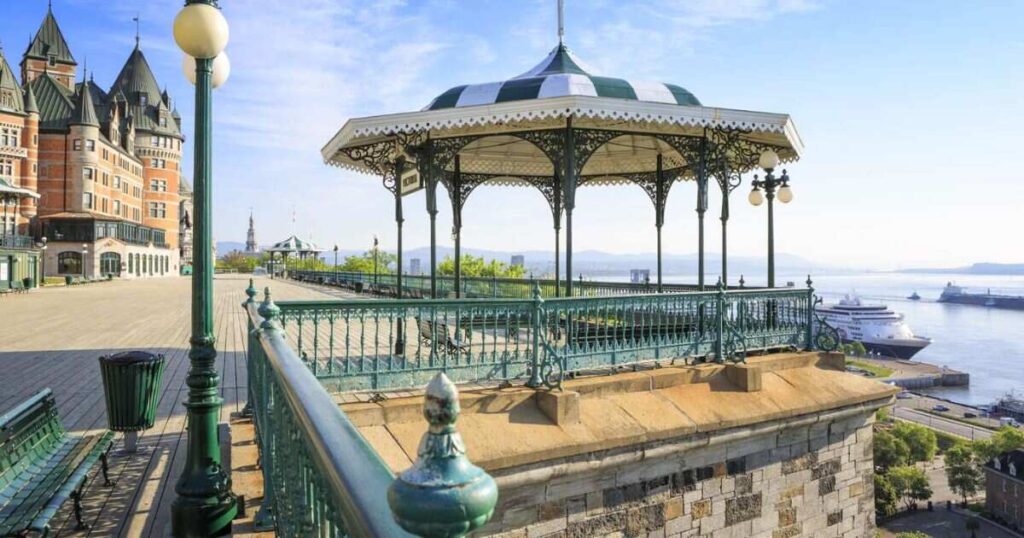
The terrace is a lively space where visitors can enjoy street performers, artists, and musicians, especially during the warmer months. In winter, it becomes a fun playground with an 800-foot toboggan slide that runs from the Citadel down to the terrace, attracting both locals and tourists.
Beneath Dufferin Terrace, you can also spot the remains of Château Saint-Louis, which once served as the offices of French and British governors. Walking along the terrace provides a perfect combination of history, scenic beauty, and cultural activity, making it a must-visit spot in Upper Quebec.
🏛️ Place d’Armes (Upper Quebec)
Place d’Armes is a historic square located in Upper Quebec, right across from the charming, café-lined Rue Saint-Anne. This picturesque park serves as a cultural hub where visitors can enjoy the city’s lively atmosphere, relax on benches, or watch local street performers.
The square is surrounded by notable historic buildings and is close to several arts venues. Rue de Tresor, branching off from Place d’Armes, is an open-air gallery where local artists display and sell their work. Meanwhile, Rue Saint-Anne features dozens of small shanties where artisans offer crafts and souvenirs, making it a vibrant area to explore both history and local culture.
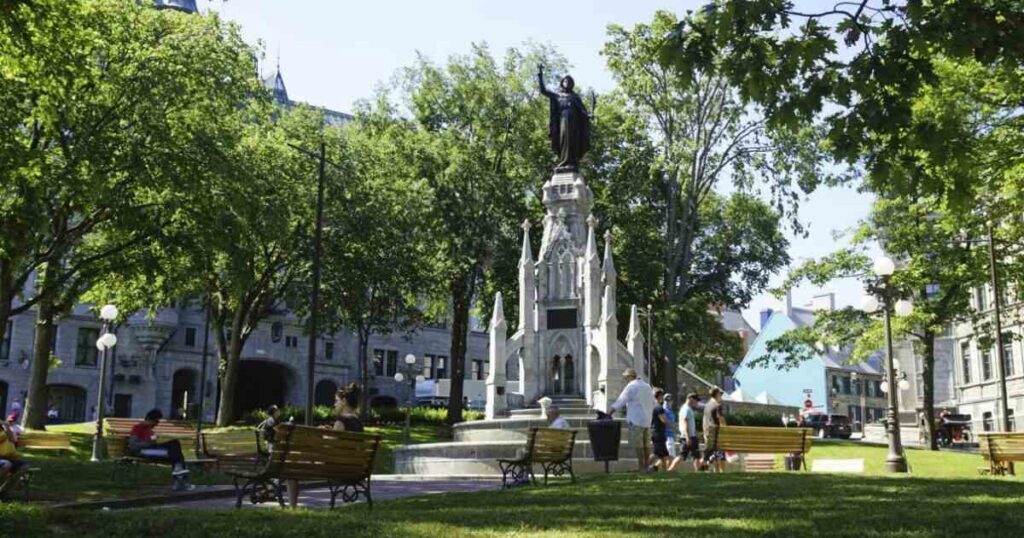
Place d’Armes provides an ideal starting point for wandering through Upper Town, combining historic charm, art, and pedestrian-friendly streets. Its location and lively ambiance make it a central spot for visitors experiencing the beauty and culture of Old Quebec.
🏰 Palace-Royale (Lower Quebec)
Palace-Royale is one of the most historically significant sites in Lower Quebec, marking the location of Samuel de Champlain’s original 1608 trading post and the first successful settlement of New France. Today, it forms the heart of Old Town and is surrounded by well-preserved 17th- and early 18th-century Norman-style merchant homes.

At the center of the square stands the Notre-Dame des Victoires Church, the oldest stone church in North America, built in 1688. When viewed from the waterfront, visitors can see a striking aluminum foil art installation on some of the surrounding buildings. This temporary artwork is part of Quebec’s annual Passages Insolates public art event, which creatively integrates modern art with historic architecture.
Palace-Royale is a place where history, culture, and art converge. Walking through this area allows visitors to experience the beginnings of Quebec City, admire its early architecture, and witness the city’s vibrant contemporary artistic expressions.
15 things to do with the family in Ghent, Belgium
🛍️ Petit-Champlain (Lower Quebec)
Petit-Champlain is a charming pedestrian street in Lower Quebec, often called the oldest commercial street in North America. Located just a block from Place-Royale, it is famous for its cobblestone streets, quaint shops, and French village atmosphere.
The street has a fascinating history. In the 19th century, it declined as wealthier families moved uptown, and Irish immigrants settled in the area. Landslides damaged homes and led to near abandonment. The revival began in the 1970s and 1980s, when artisans and merchants restored the street, creating the picturesque and vibrant district seen today.
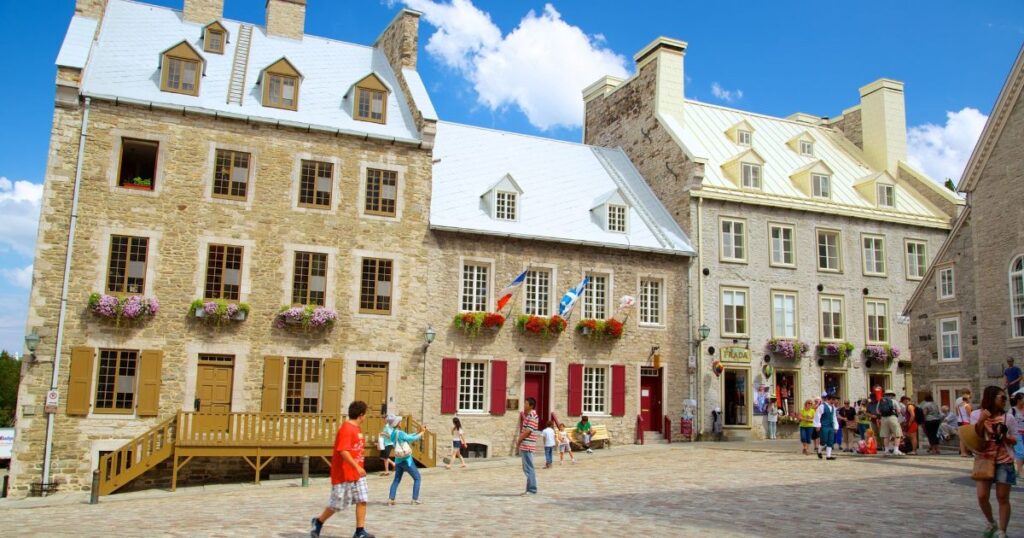
Today, Petit-Champlain is filled with artisan boutiques, galleries, and cozy restaurants. Visitors can enjoy local treats, including maple syrup desserts and cider tastings, while wandering the narrow, colorful streets. The area combines historic charm, shopping, and culinary delights, making it a must-visit spot in Lower Quebec.
🏛️ Museum of Civilization (Musée de la civilisation)
The Museum of Civilization is a modern museum in Quebec City that offers a deep dive into the history and culture of the province and the city. It covers a wide range of topics, from the lives of the First Peoples to the present day, making it an educational and engaging destination for visitors of all ages.
The museum’s exhibits combine artifacts, interactive displays, and multimedia presentations to tell the story of Quebec’s rich cultural heritage. Highlights include displays on French and British colonization, indigenous cultures, and the evolution of the city’s social and economic life.
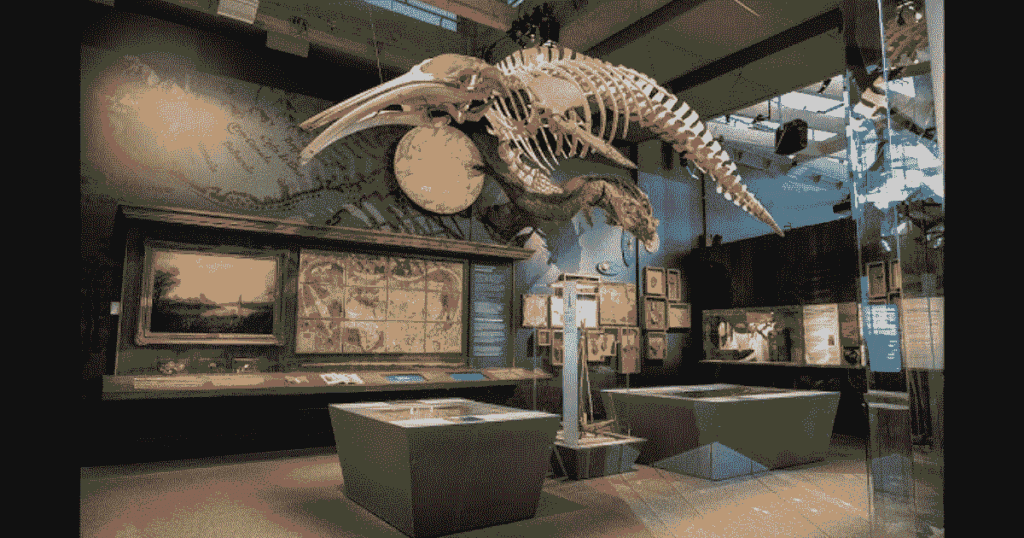
Whether you’re interested in history, anthropology, or contemporary culture, the Museum of Civilization provides a comprehensive overview of Quebec’s past and present. It’s an essential stop for anyone wanting to understand the city beyond its beautiful streets and historic buildings.
🏰 The Citadel (La Citadelle)
The Citadel of Quebec is a star-shaped fortress and one of the city’s most important historical landmarks. Built by the British in 1838, it sits atop Cap Diamant and provides commanding views of Lower Town, the Saint Lawrence River, and the Plains of Abraham. The Citadel was constructed in response to past military threats, including American attacks, and remains a symbol of Quebec’s strategic importance.
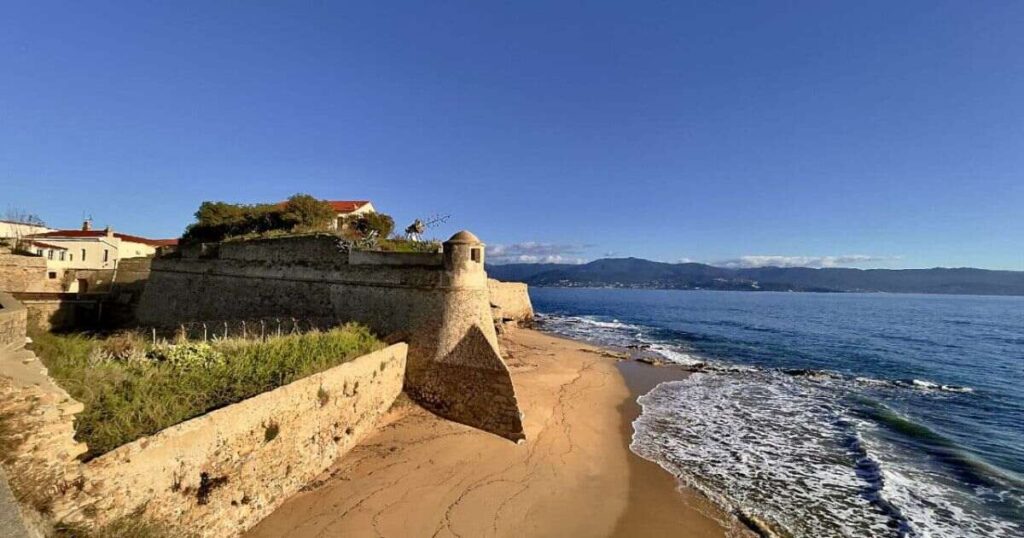
Today, the Citadel serves as both an active military garrison and the official residence of the Governor General of Canada when visiting Quebec. Visitors can take guided tours to explore the fortress, its barracks, officers’ quarters, and historic artillery sites. Walking through the Citadel offers a firsthand look at military life in the 18th and 19th centuries, as well as breathtaking views of the city and river below.
The Citadel is not just a historical site—it’s a living piece of Quebec’s past that connects visitors to the city’s colonial and military history, making it an essential stop in Upper Quebec.
25 things to do with your family in Oxford
🌳 Battlefields Park (Parc des Champs-de-Bataille)
Battlefields Park is a historic and scenic area in Quebec City, located near the Plains of Abraham. The park commemorates two major 18th-century battles: the Battle of the Plains of Abraham (1759) during the French and Indian War and the Battle of Sainte-Foy (1760) in the Seven Years’ War.
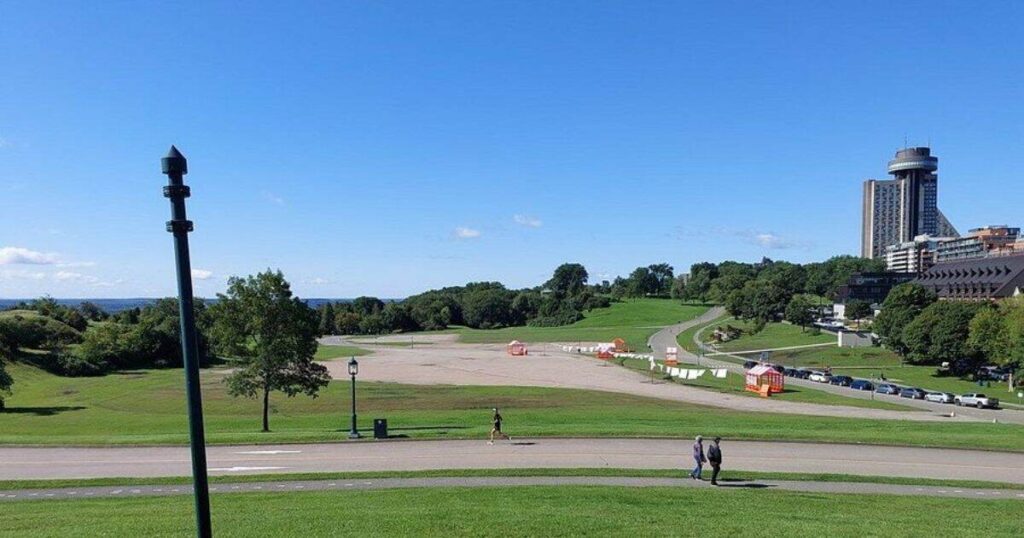
Today, the park is a peaceful green space lined with historic Martello towers, cannons, and fortifications, allowing visitors to connect with Quebec’s military past while enjoying the outdoors. Walking trails wind through the park, making it perfect for strolling, jogging, or taking in panoramic views of the city and river.
Battlefields Park combines history, culture, and natural beauty, offering a unique opportunity to explore Quebec’s past while relaxing in a scenic urban setting. It’s a must-visit for history enthusiasts and families alike.
🔫 Royal Battery
The Royal Battery is a historic cannon emplacement located along the waterfront in Quebec City. Originally part of the city’s defense system, it was rebuilt in 1977 using cannons from the original 1691 fortifications.
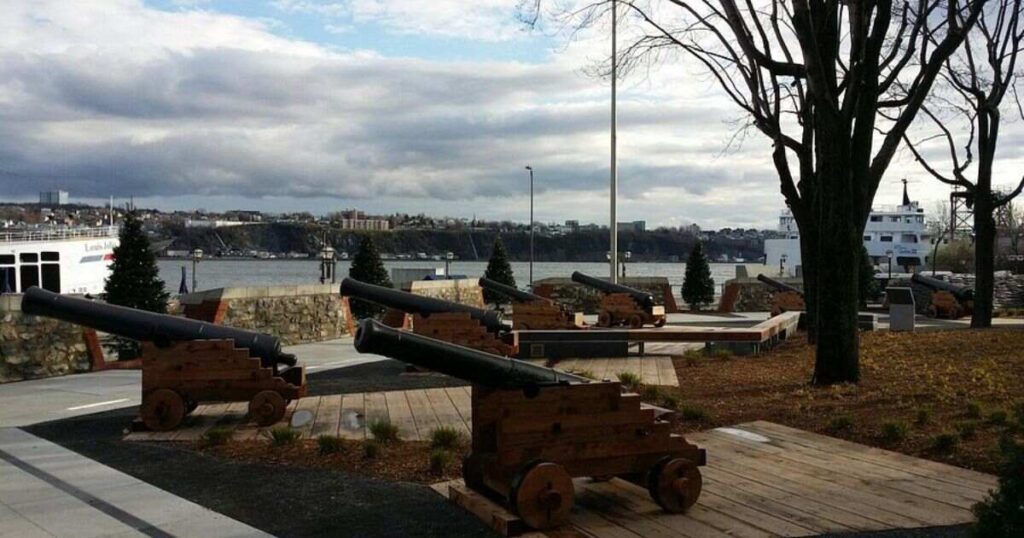
This site offers visitors a glimpse into Quebec City’s military past and provides picturesque views of the Saint Lawrence River. Walking along the Royal Battery, you can see the cannons lined up as they would have been in the city’s early defense system, giving a tangible sense of how the city protected itself from naval attacks.
The Royal Battery is an ideal spot for history enthusiasts and photographers alike, combining historic significance with scenic river views. It also serves as a reminder of Quebec City’s long and strategic role in North American history.
🏰 Artillery Park (Parc de l’Artillerie)
Artillery Park is a historic site in Quebec City that preserves a complex of fortifications originally built by the French beginning in 1712. The site was later adapted and expanded by the British after they took control of the city, and it eventually became a key military installation used through World War I by Canadian forces.
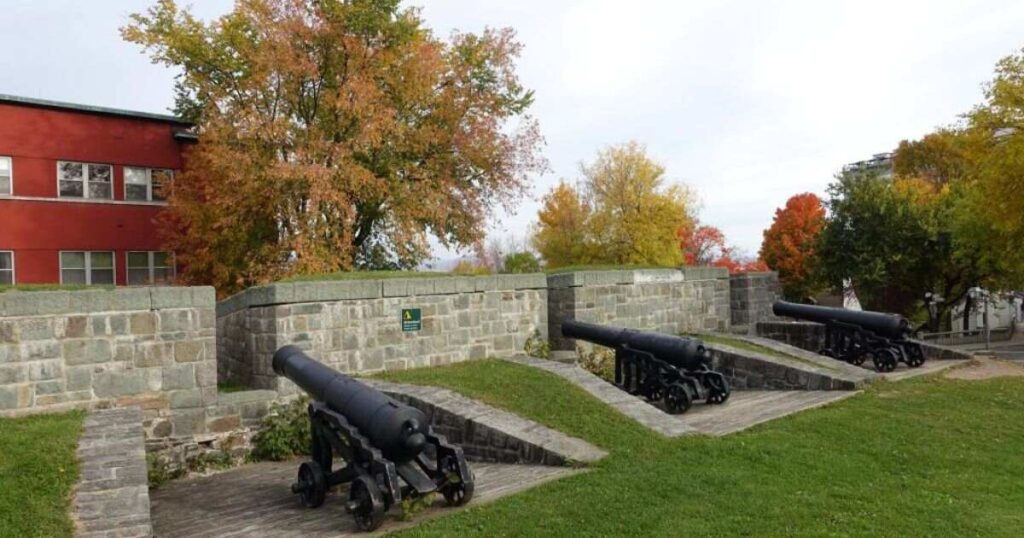
Visitors can explore several features at Artillery Park:
- Foundry and Arsenal – where artillery shells and ammunition were produced.
- Reconstructed redoubt and barracks – showing the living quarters of French enlisted men and British officers.
- Commanders’ house – a comfortable residence used by the site’s commanding officers.
- Historic exhibits – including recreated kitchens, dining areas, and sleeping quarters that reflect military life in the 18th and early 19th centuries.
Artillery Park offers a hands-on experience of Quebec City’s military history, allowing visitors to walk through historic buildings, view artillery pieces, and understand the daily life of soldiers stationed at the fortress. It is both educational and visually striking, making it a must-visit in Upper Quebec.
The beaches of Morar and Arisaig, Lochaber
🏰 Old Defense System
The Old Defense System in Quebec City consists of a series of historic cliff-side fortifications that once protected the city from naval and land attacks. Stretching from Fairmont Le Château Frontenac and Dufferin Terrace Gardens along the cliffs, this defensive line includes dozens of mortars and cannons originally used to defend the city during the 17th and 18th centuries.
These fortifications were part of Quebec’s extensive military planning and highlight the city’s strategic importance along the Saint Lawrence River. Walking along the Old Defense System, visitors can see how the walls and artillery were positioned to cover key approaches, offering insight into historic warfare and city defense.
Today, the Old Defense System is an accessible historic site, combining panoramic views, military history, and architectural heritage, making it an essential stop for anyone exploring Old Quebec.
🎨 Passages Insolates
Passages Insolates is an annual public art event in Quebec City that brings creativity and surprise to Lower Old Quebec (Basse-Ville). Each year, more than 40 artists install temporary artworks throughout the district, transforming streets, walls, and public spaces into interactive art experiences.
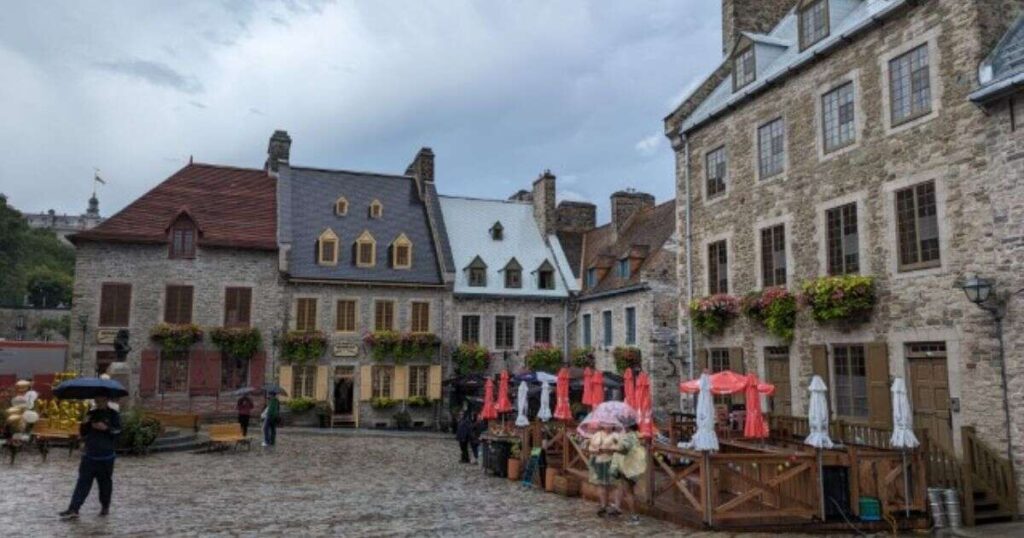
The installations vary widely in style and scale. For example, aluminum foil designs on Place-Royale buildings create large symmetrical patterns visible from the waterfront, while smaller works, like 3D representations of rooms or playful images for children, are integrated directly into building walls. The event combines visual art, sculpture, and playful installations, encouraging visitors to explore the streets and discover hidden surprises around every corner.
Passages Insolates is a perfect blend of history and contemporary art, allowing visitors to experience Quebec City’s rich cultural life while exploring its historic architecture. It highlights the city’s commitment to making art accessible and engaging for both locals and tourists.
🏛️ Quebec Province Parliament Building
The Quebec Province Parliament Building is an architectural gem located just outside the historic St. Louis city gate. Completed in 1886, its design was inspired by Paris’s Louvre, reflecting the city’s French heritage and grandeur. The building houses the provincial legislative assembly and offers both guided and self-guided tours through its elegant hallways, chambers, and historic rooms.
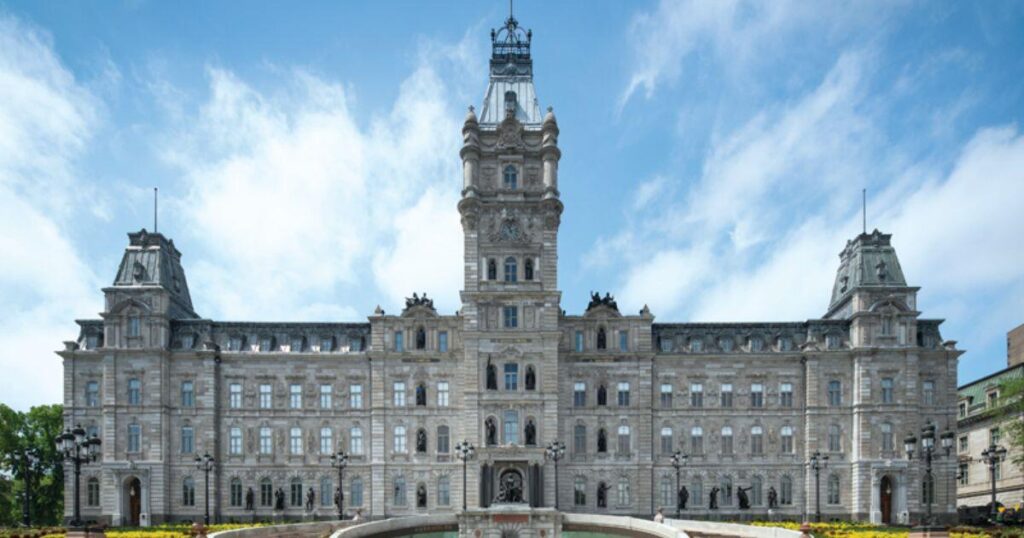
The grounds are equally impressive, featuring manicured flower beds and the Tourny Fountain, a beautifully restored fountain originally purchased and shipped from Paris. Visitors can admire the combination of classic architecture, historic details, and scenic landscaping, making it a must-visit site for anyone exploring Quebec City beyond Old Quebec.
The Parliament Building not only serves as a functioning government center but also as a symbol of Quebec’s political history and architectural sophistication, providing insight into the province’s heritage and governance.
🏫 Ursuline Convent (Convent des Ursulines)
The Ursuline Convent in Quebec City has been operating on its site since 1642 and is one of the oldest institutions in North America. Founded by the Ursuline nuns, it includes a small stone building, a chapel, and a museum dedicated to Mother Marie of the Incarnation, a widow who became a nun and established a school to educate girls, including First Nation students.
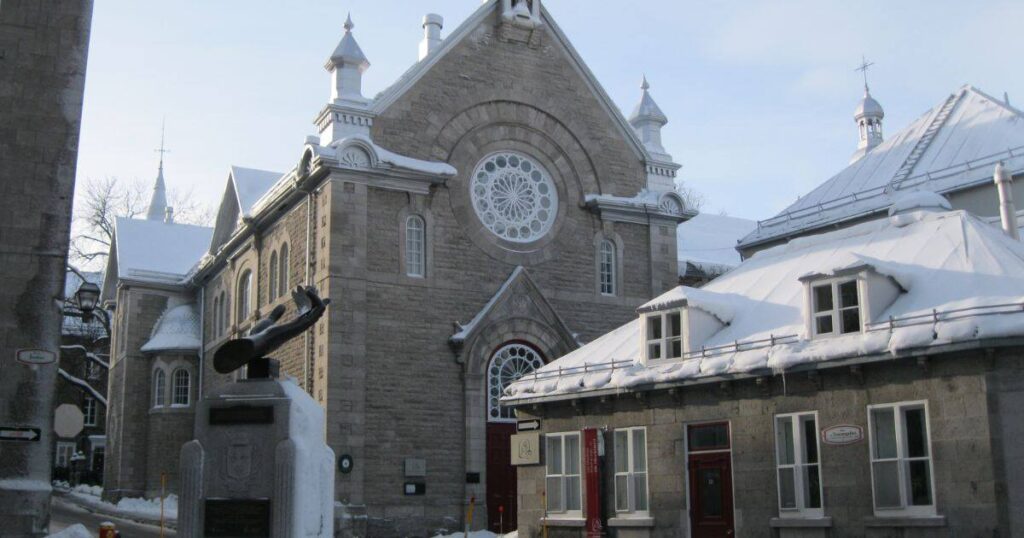
Unlike the residential schools of later centuries, the convent focused on voluntary education, providing academic and religious instruction in a supportive environment. Today, visitors can explore the museum to learn about the convent’s educational role, religious life, and contributions to Quebec’s early society.
The Ursuline Convent is a significant cultural and historical site, offering insight into colonial education, the role of women in society, and early Quebec City history. Its preserved architecture and museum exhibits make it a meaningful stop for visitors interested in heritage and history.
A circular drive over the Hardknott and Wrynose passes, Cumbria
🏠 Maison Kent
Maison Kent, built in 1648, is the oldest building in Quebec City and an important historical landmark. It is famously known as the site where the French formally surrendered their Canadian holdings to the British, marking a pivotal moment in the city’s colonial history.
The building showcases 17th-century French colonial architecture, with stone walls and traditional design elements that have been carefully preserved. Nearby, other historic homes such as the Jacquet House complement the area, offering visitors a glimpse into the early urban life of Quebec City.

Visiting Maison Kent allows travelers to step back in time and understand the city’s early European influences, its transition from French to British control, and its significance in North American history. It’s a must-see for history enthusiasts exploring Lower Quebec.
🏠 Maillou House
Maillou House, built in 1736, is a historic building in Quebec City that once served as the residence of the military paymaster and the meeting place for the military council. It is an excellent example of 18th-century Quebec architecture, reflecting the city’s colonial and military heritage.
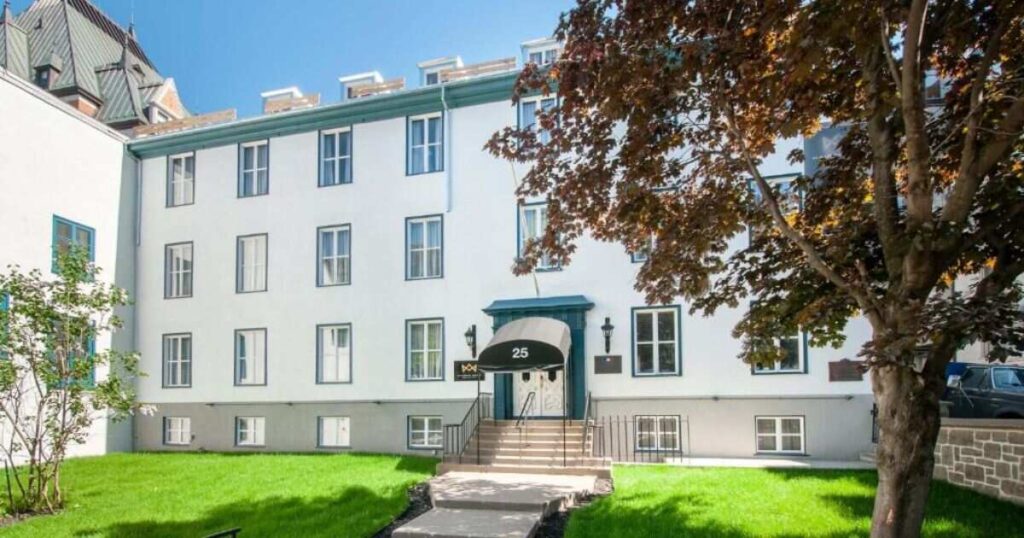
The house is part of the preserved historic district and provides insight into the administrative and military functions of early Quebec. Visitors can appreciate the craftsmanship, period details, and the role such buildings played in supporting the city’s defense and governance during the French and British periods.
Maillou House is an important stop for those interested in military history, colonial life, and Quebec’s architectural legacy. It complements nearby historic sites, helping visitors understand the broader story of Old Quebec.
🌆 Beyond Old Quebec
While Old Quebec (Vieux-Québec) is the heart of the city’s history and charm, there are several notable sites and attractions worth exploring outside the old city walls. These destinations offer a mix of nature, modern architecture, and additional historical context.
Cartier-Brebeuf National Historic Site
This park commemorates the winter stay of explorer Jacques Cartier during his second voyage to Canada in 1535. Today, it offers bike trails, walking paths, and picnic areas, making it a great spot for outdoor activities while learning about early exploration in Quebec.
Downtown Quebec
Downtown Quebec, though less historic than Old Town, features a blend of modern architecture and cultural sites. Notable structures include the large glass Bus Terminus, designed with a unique zig-zag layout to fit among older buildings, and a giant glass lens marking the main entrance.
Montmorency Falls
Located about 15 minutes from downtown, Montmorency Falls is a stunning 272-foot waterfall surrounded by hiking and biking trails. It offers a dramatic natural experience and a perfect day-trip destination for those looking to explore Quebec’s natural beauty beyond the city.
National Museum of Fine Arts
This museum focuses on Quebec art from the 18th century to the present, offering exhibitions and collections that highlight the province’s artistic evolution. It’s an ideal stop for visitors interested in visual arts, culture, and history outside Old Quebec.
Exploring beyond the old city walls allows visitors to experience modern Quebec, natural beauty, and cultural institutions, complementing the historic charm of Old Quebec for a well-rounded travel experience.
🍽️ Quebec City Restaurants
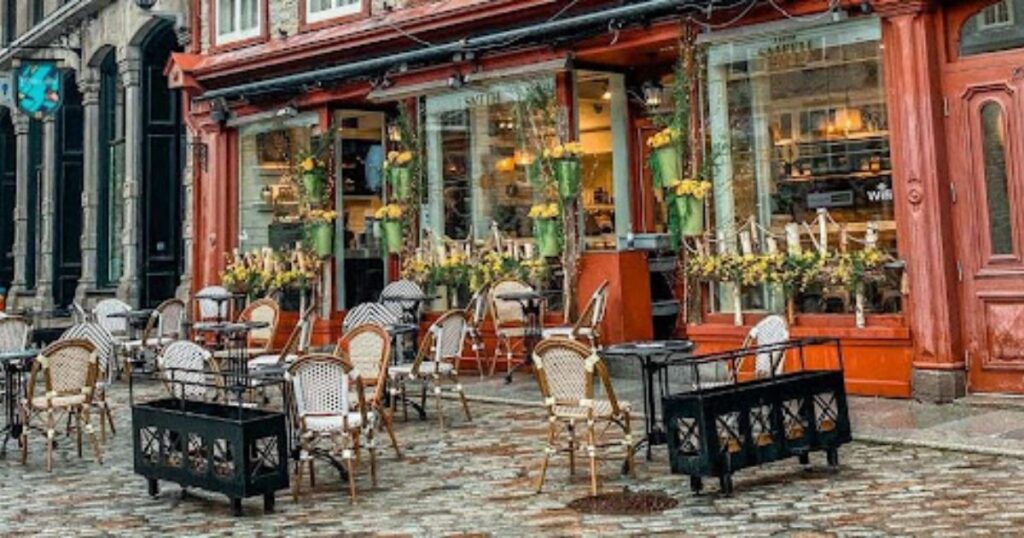
Quebec City offers a vibrant culinary scene that blends French, Canadian, and local flavors. From fine dining to cozy bistros, there are plenty of options for every taste. Here are some notable restaurants to explore:
The Continental
A 1960s-style fine dining restaurant known for its classic dishes and tableside preparations. Highlights include Caesar salad with anchovies, Beef Wellington with seared foie gras, and maple syrup pie. The restaurant pairs meals with excellent wines like Châteauneuf du Pape.
Chez Boulay Bistro
This bistro offers a menu featuring fresh, local ingredients. Notable dishes include Gaspe Atlantic char carpaccio, pan-seared foie gras, and Les Iles scallops with cream bacon chowder. The wine selection complements the dishes perfectly, such as the 2020 Leaning Post Niagara Peninsula Chardonnay.
Le Graffiti Resto
Located just outside Old Town, this casual cafe serves seafood and French-inspired dishes, including caramelized scallops, shrimp in pastry shell, and grilled Atlantic salmon. Desserts like salted caramel crunch with dark chocolate mousse round out the meal.
l’Échaudé
A favorite spot for both lunch and dinner, offering fresh, seasonal dishes. Popular choices include pan-seared cod, veal liver with mashed potatoes, and trout fillet with seasonal vegetables. The restaurant emphasizes quality and attentive service, paired with wines like Côtes-du-Rhône.
Casse-Crêpe Breton
A popular creperie specializing in sweet and savory crepes. Must-try items include chestnut cream wheat crepe with a coffee-spiked maple syrup liqueur.
Le Lapin Saute
Located on Petite Champlain, this restaurant specializes in rabbit dishes and duck. Signature dishes include rabbit saddle with mustard sauce and seafood cassoulet with squid, mussels, clams, and shrimp.
Brasserie Les Mordus
A casual eatery focusing on fresh, healthy seafood salads, featuring lobster, crab, Matane shrimp, and coconut shrimp.
Le Petit Fondue
Known for cheese and meat fondues, though experiences may vary. It offers a classic Quebec fondue experience in a cozy setting, ideal for group meals.
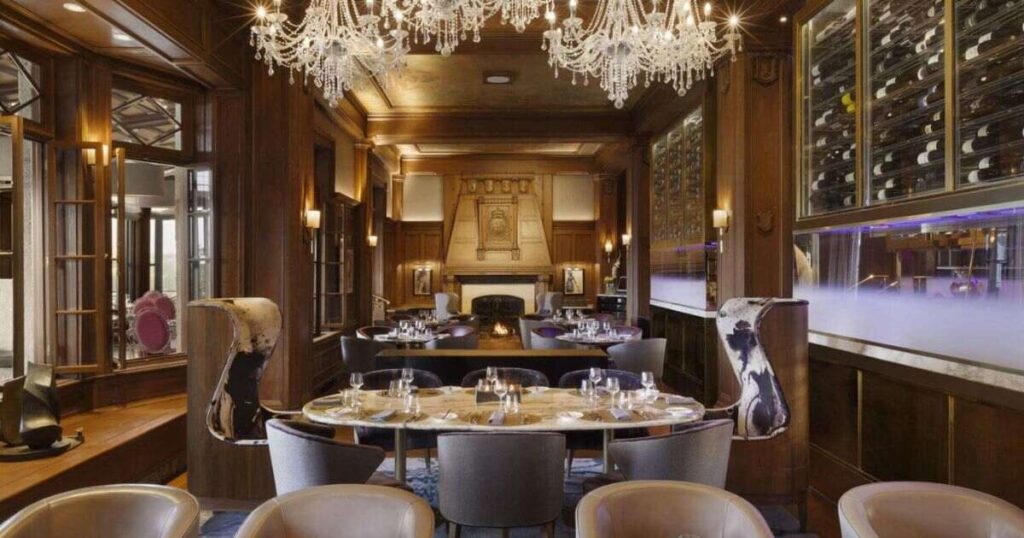
Quebec City’s restaurants provide a blend of traditional French cuisine, local specialties, and innovative culinary experiences, making dining an essential part of exploring the city.
🌆 Evening Entertainment
Quebec City’s charm doesn’t stop when the sun goes down. The city comes alive at night with a mix of relaxed strolls, lively streets, and cultural experiences that suit every type of traveler.
One of the best ways to enjoy an evening in Quebec City is simply by walking through the historic streets, especially around Upper Old Town and Rue Saint‑Jean. The cobblestone lanes are lit with warm streetlights, and the atmosphere feels both cozy and vibrant. Sidewalk cafes, bars, and bistros fill the streets with music, chatter, and the smell of great food.
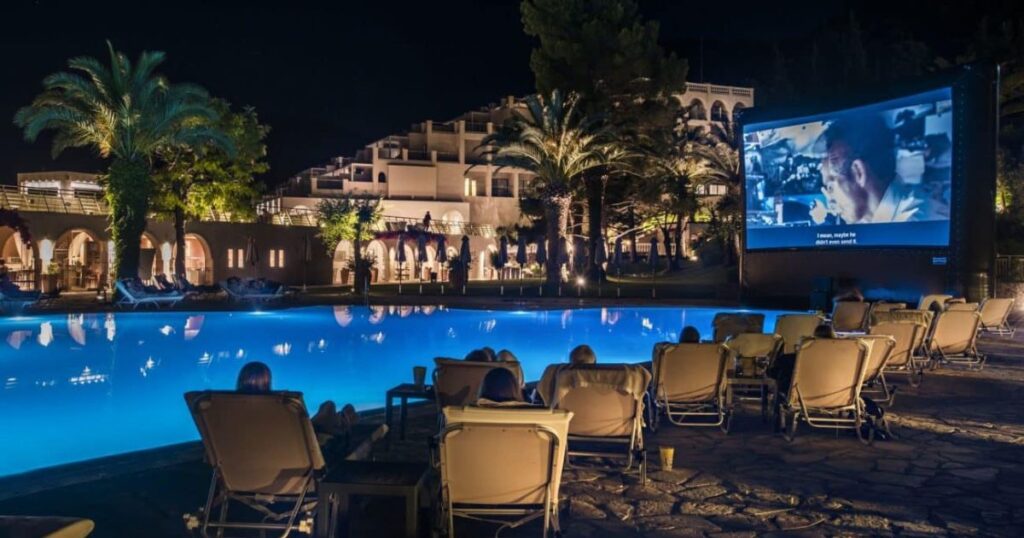
For those who enjoy live performances, you’ll often find street musicians, especially in areas like Dufferin Terrace during the warmer months. Their music adds a festive feel to the night as you take in views of the river and the illuminated Château Frontenac.
If you prefer a more structured evening, many local bars and lounges host live music, jazz nights, or cultural performances. Whether it’s a relaxed acoustic set, a lively band, or a refined cocktail bar with soft lighting, there’s something for every mood.
No matter how you choose to spend your evening, Quebec City’s historic streets, scenic views, and lively cultural vibe make nighttime a memorable part of any visit.
Santorini With Kids: Pros And Cons Of Visiting As A Family
Conclusion
Quebec City is a unique blend of history, culture, and natural beauty. As the only walled city in North America outside of Mexico, it offers visitors a rare glimpse into colonial life, complete with cobblestone streets, centuries-old architecture, and iconic landmarks like Fairmont Le Château Frontenac, The Citadel, and Place-Royale. From exploring Old Quebec’s historic streets and museums to enjoying the scenic views of Dufferin Terrace or tasting local cuisine in charming restaurants, the city combines heritage, charm, and modern vibrancy. Whether you’re a history enthusiast, foodie, or simply seeking picturesque scenery, Quebec City delivers a rich and unforgettable experience.
FAQs
1. What makes Quebec City unique in North America?
Quebec City is the only walled city in North America outside of Mexico, preserving its historic Upper and Lower Towns, cobblestone streets, and colonial architecture.
2. What are the must-visit landmarks in Quebec City?
Key landmarks include Fairmont Le Château Frontenac, Dufferin Terrace, The Citadel, Place-Royale, Petit-Champlain, and Palace-Royale.
3. How can I travel between Upper Town and Lower Town?
Visitors can use the Breakneck Steps, walk along scenic streets, or take the funicular for an easier connection between the two areas.
4. Are there good dining options in Quebec City?
Yes! The city has a vibrant culinary scene. Popular spots include The Continental, Chez Boulay Bistro, l’Échaudé, Le Lapin Saute, and Casse-Crêpe Breton.
5. What activities are available in the evenings?
Evenings are perfect for walking through Rue Saint-Jean, enjoying live street music, visiting cafes and bars, or experiencing cultural performances in Upper Old Town.
6. Can I visit museums in Quebec City?
Absolutely. Notable museums include the Museum of Civilization, the National Museum of Fine Arts, and the Ursuline Convent Museum, offering insights into history, art, and culture.
7. What natural sites are near Quebec City?
Nearby attractions include Montmorency Falls, Battlefields Park, and scenic waterfront areas, ideal for hiking, photography, and outdoor activities.